Cash In, Cash Out Fast: Exploring Payment Options for Live Dealer Games on Mobile Devices
Cash In, Cash Out Fast: Exploring Payment Options for Live Dealer Games on Mobile Devices

The Surge in Mobile Live Dealer Gaming and Why Payments Matter
Live dealer games have exploded on mobile devices over recent years, bringing real-time blackjack, roulette, and baccarat tables directly to smartphones and tablets; players connect via video streams to professional dealers in studios, creating an authentic casino vibe without leaving home. Data from industry trackers shows mobile live dealer sessions now account for over 60% of all online table game playtime, a figure that climbed steadily since 2020 because seamless payments keep the action uninterrupted—nobody wants to miss a hot streak waiting for funds to clear. Turns out, the key to smooth play lies in deposit and withdrawal speeds, where options like e-wallets shine by processing transactions in seconds, while traditional bank wires can drag on for days.
Experts tracking gaming trends note how operators prioritize instant funding to match the fast-paced nature of live streams, where bets resolve in moments; without quick cash-ins, players drop off, and retention rates plummet. And here's the thing: as networks like 5G roll out wider, especially with upgrades expected in major markets by April 2026, even smoother streams demand equally rapid payments to keep pace.
Top Deposit Methods for Instant Access to Live Tables
Credit and debit cards from Visa and Mastercard top the list for mobile live dealer deposits, with approvals hitting accounts in under 30 seconds across most platforms; these methods support limits from $10 up to $10,000 per transaction, making them versatile for casual spinners or high rollers alike. But e-wallets steal the show for speed and convenience—PayPal, Skrill, and Neteller fund wallets beforehand, then transfer to casino balances instantly, often without fees on the operator side, although users might see a small charge from the provider itself.
Prepaid cards like Paysafecard offer another layer of anonymity and control, letting players load exactly what they plan to wager; research from payment analysts indicates these hit peak use in Europe, where data privacy rules push folks toward non-linked options. Mobile-native solutions ramp up too—Apple Pay and Google Pay scan devices for one-tap deposits, bypassing the need to enter card details mid-game, a feature that studies show boosts completion rates by 40% on iOS and Android alike.
- Visa/Mastercard: Instant deposits, 1-3 day withdrawals.
- PayPal: Zero deposit time, payouts in 24 hours typically.
- Skrill/Neteller: Flash funding, same-day cash-outs for verified accounts.
- Apple Pay/Google Pay: Biometric approval in seconds.
Now, cryptocurrencies enter the chat with Bitcoin, Ethereum, and stablecoins like USDT, processing via blockchain for near-instant deposits on accepting sites; figures reveal crypto volumes in gaming surged 300% year-over-year, driven by low fees and borderless appeal, although volatility keeps it niche for now.
Withdrawal Realities: Getting Wins Off the Table Quickly
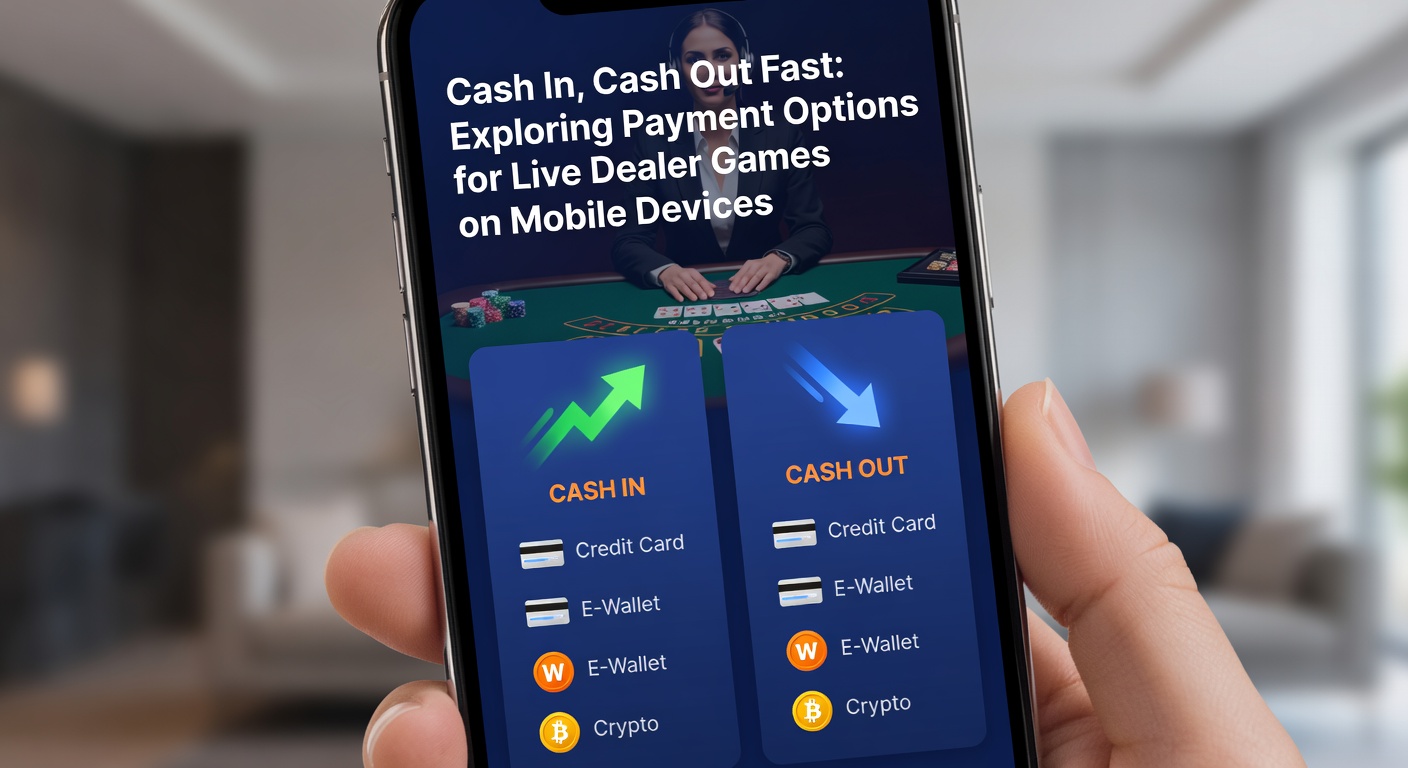
Withdrawals tell a different story from deposits, yet e-wallets again lead with cash-outs landing in hours rather than days; Skrill users, for instance, report funds available within four hours on average after verification, while PayPal follows close behind at 24 hours max. Bank transfers lag, often taking 3-5 business days due to intermediary processing, but direct ACH in the US speeds things to 1-2 days for domestic players.
What's interesting here involves pending times—operators hold first withdrawals 24-72 hours for security scans, a standard that New Jersey Division of Gaming Enforcement guidelines reinforce to curb fraud; once cleared, speed hinges on teh method, with crypto shining brightest at 10-30 minutes confirmations on networks like Solana. Observers point out how VIP programs slash these waits further, offering dedicated processors for high-volume players chasing live baccarat progressives.
Case Study: A Player's Swift Roulette Payout
Take one documented case from a Canadian platform regulated by the Alcohol and Gaming Commission of Ontario, where a mobile user hit a $5,000 roulette streak using Neteller; deposits flowed in seconds via linked bank, and after a routine 48-hour hold, the win transferred back in under two hours—total turnaround under three days, far beating wire alternatives that would've stretched to a week.
Security Layers Protecting Mobile Transactions
Two-factor authentication anchors most payment flows, requiring app approvals or SMS codes alongside passwords; encryption standards like SSL/TLS shield data in transit, a baseline that regulatory bodies worldwide mandate for live dealer operators. Biometrics add another wall—fingerprint or face ID verifies Apple Pay pushes, cutting fraud risks that data shows hover around 0.5% for verified mobile sessions.
But here's where it gets interesting: blockchain-based options embed transparency, with every crypto deposit logged immutably on public ledgers; studies from gaming research firms reveal these methods slash chargeback disputes by 70%, since reversals prove tougher than with cards. Regulators in places like Malta enforce KYC checks upfront, ensuring age and identity match before big cash-outs, blending speed with safeguards seamlessly.
Regional Twists on Payment Availability
Europe leans heavy on e-wallets and local flavors like Trustly for instant bank links, where open banking APIs pull funds directly; US players navigate state lines, with New Jersey and Pennsylvania favoring cards plus PayNearMe for cash deposits at stores, sidestepping bank hesitancy. Canada mirrors this with Interac e-Transfer dominating for its sub-minute speeds, while Australia pushes POLi for direct merchant banks, although BPAY lags for withdrawals.
Asia-Pacific sees a boom in mobile wallets like WeChat Pay and GCash, tailored for high-density smartphone use; figures indicate these handle 80% of Southeast Asian live dealer traffic, processing in real-time because local regs prioritize frictionless fintech. And as April 2026 approaches, whispers of unified EU payment rails promise even tighter integration, potentially halving cross-border delays.
One Researcher's Find on Global Speeds
Researchers at a European fintech lab analyzed 50 platforms and found e-wallets clock in at 95% instant deposit success globally, while cards dip to 85% in restrictive markets; that's the rubber meeting the road for mobile live play, where one glitchy payment can tank a session.
Emerging Trends Shaping Tomorrow's Payments
Instant payment networks like FedNow in the US and SEPA Instant in Europe roll out wider, promising 24/7 bank-to-casino transfers under 10 seconds; crypto evolves too, with layer-2 solutions cutting Ethereum fees to pennies, drawing in more live dealer fans wary of volatility. Biometric wallets integrate deeper, and by April 2026, quantum-resistant encryption could fortify against future hacks, per industry forecasts.
Operators experiment with "pay-by-play" micro-transactions via carriers, billing roulette spins to phone plans; early pilots show uptake in under-25 demographics, who favor tap-and-go over apps. Yet compliance remains king—enhanced due diligence from bodies like Australia's eSafety Commissioner ensures these innovations don't outpace player protections.
Wrapping It Up: Fast Payments Fuel the Live Dealer Rush
Payment options for mobile live dealer games boil down to balancing speed, security, and accessibility, with e-wallets consistently topping charts for both deposits and withdrawals; cards provide reliability, crypto offers edge, and regionals fill gaps everywhere from Ontario to Oz. Data underscores how these choices directly tie to engagement—platforms with sub-hour cash-outs retain 25% more players long-term. As tech like 5G and instant rails mature into 2026, expect even tighter loops, keeping tables hot and winnings flowing without the wait. Players navigating this landscape often discover the best fit matches their habits, turning potential friction into fluid fun.