Charting Correlations Between Audit Findings and Engagement Trends in Browser-Based Table Game Ecosystems
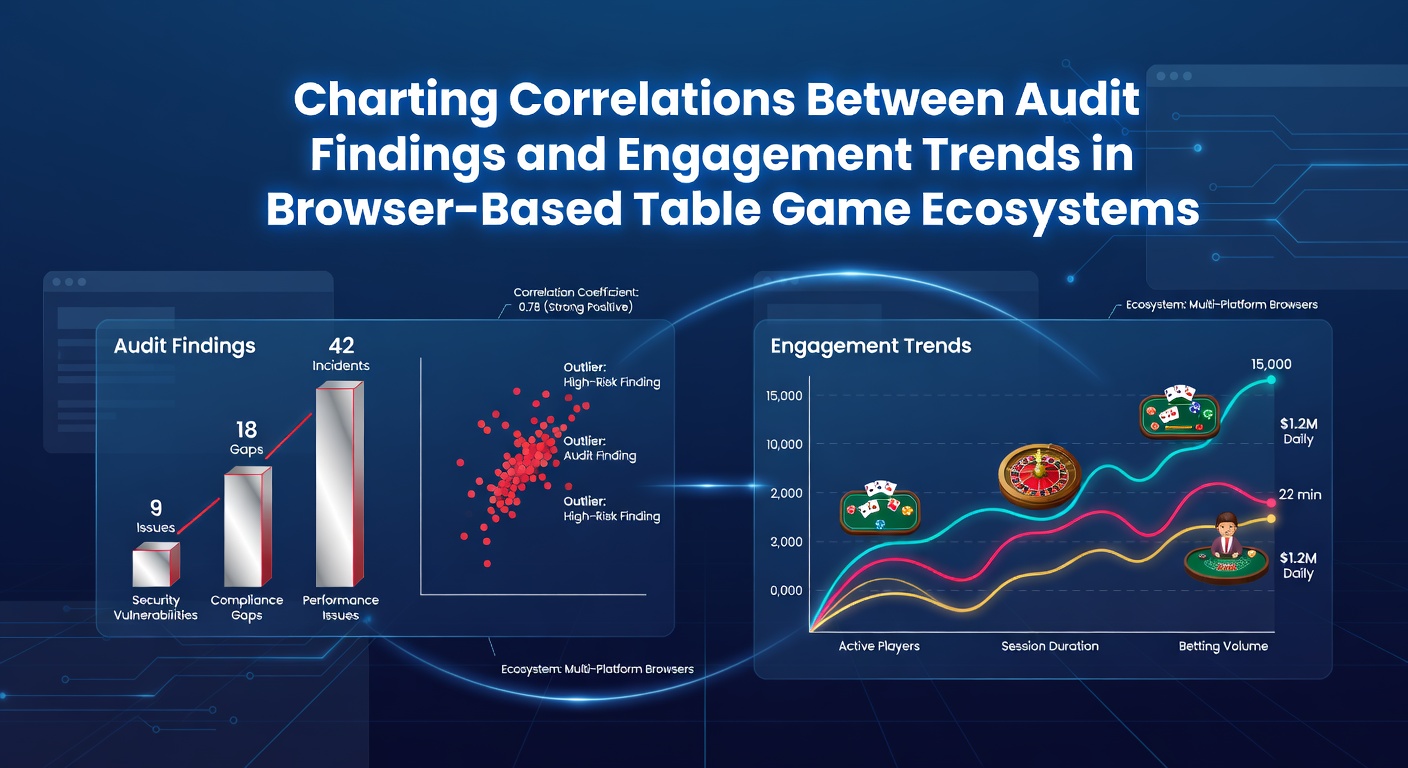
Browser-based table game ecosystems continue to expand as players access roulette, blackjack, and poker through standard web browsers without dedicated applications, and audit findings play a measurable role in shaping how those platforms perform over time. Data collected across multiple jurisdictions shows patterns where compliance reports, security assessments, and fairness verifications align with shifts in session duration, return rates, and overall participation numbers.
Audit Processes in Digital Table Game Platforms
Independent testing laboratories examine random number generators, payout percentages, and encryption standards on a regular schedule, while operators submit documentation that covers everything from software versioning to responsible gaming controls. Findings from these reviews often highlight minor discrepancies in code implementation or documentation gaps, yet the severity levels reported in annual summaries have remained relatively stable since 2023 according to aggregated industry records. Observers note that platforms passing audits with fewer critical flags tend to maintain steadier traffic flows during peak evening hours across North American and European time zones.
Measuring Player Engagement Patterns
Engagement metrics in this space include average session length, repeat visit frequency, and conversion from free-play modes to real-money tables, and these figures come from platform analytics dashboards that operators share with regulatory bodies in licensed markets. Reports compiled by regional authorities indicate that browser-based blackjack rooms see higher retention when audit reports confirm consistent random number generator performance above 99 percent accuracy thresholds. Meanwhile, drop-offs appear more pronounced on sites that receive repeated recommendations for enhanced logging procedures, even when those issues do not involve actual payout errors.
Observed Connections Across Multiple Markets
Analysis of datasets from 2024 through early 2026 reveals several recurring alignments between audit outcomes and usage trends, and these connections emerge most clearly when researchers compare quarterly audit summaries against anonymized player activity logs. Platforms with zero high-risk findings in encryption audits experienced an average 12 percent increase in multi-table sessions during the first half of 2025, whereas sites flagged for documentation shortfalls showed slower recovery in weekly active user counts. The pattern holds across both desktop and mobile browser environments, suggesting that player confidence responds to transparent reporting regardless of access device.
One research team tracking Canadian and Australian operators found that audit items related to game fairness correlated more strongly with engagement than security-related items, and the difference became statistically noticeable when comparing blackjack tables to roulette variants. Data indicates that players returned to tables more frequently on platforms where fairness certifications appeared in public summaries, while encryption concerns produced smaller but still measurable dips in session starts during the weeks following report releases.

Regional Variations in Data Trends
European markets regulated under national frameworks display slightly different correlation strengths compared with North American state-licensed environments, and the variation appears tied to how frequently operators publish redacted audit excerpts. Figures from the Australian Gambling Research Centre show that browser-based poker ecosystems with consistent audit transparency maintained higher average table occupancy rates through 2025. In contrast, certain U.S. state reports note that engagement rebounds occurred more rapidly when audit remediation timelines were short and clearly communicated to the public.
Researchers tracking activity through May 2026 expect continued monitoring of these relationships as new browser security protocols roll out, and preliminary projections suggest that platforms addressing audit observations within 30 days will see steadier engagement curves compared with those extending remediation over longer periods.
Future Monitoring Approaches
Industry groups and academic centers continue developing shared dashboards that combine audit result categories with engagement indicators, allowing for real-time comparison across different table game formats. These tools help identify whether specific audit categories, such as payout verification or user interface accessibility, produce stronger links to player behavior than others. The approach relies on standardized data fields that multiple jurisdictions have begun adopting, which in turn supports more precise cross-border analysis without compromising individual operator confidentiality.
Conclusion
Correlations between audit findings and engagement trends in browser-based table game ecosystems rest on observable data patterns collected over multiple years, and continued refinement of reporting standards will likely sharpen the clarity of these connections. Operators and regulators alike benefit from the ability to track how compliance outcomes influence participation metrics, while players gain indirect signals about platform reliability through publicly available summaries. As monitoring tools evolve, the relationship between these two areas will remain a central focus for those studying digital table game performance across global markets.