Decoding Developer Strategies for Feature Rollouts in Multi-Device Casino Platforms

Feature rollouts in multi-device casino platforms require careful coordination across smartphones, tablets, desktops, and emerging wearables, where developers balance performance consistency with regulatory demands that differ by jurisdiction, and teh process often starts with identifying core user pathways that remain stable regardless of screen size or operating system.
Mapping the Technical Foundations
Developers establish unified codebases that adapt through responsive frameworks while maintaining separate optimization layers for each device category, and this approach allows teams to push updates without rewriting entire modules for every platform variant. Research indicates that modular architecture reduces deployment conflicts, particularly when live dealer feeds and slot mechanics must sync in real time across connections that range from high-speed broadband to variable mobile networks.
Feature flags serve as central controls that let teams activate new elements for select user segments first, which provides immediate feedback loops before wider distribution occurs, and observers note this method proves especially useful when integrating reward structures with portable platform accessibility across interactive table and slot environments.
Phased Deployment Patterns
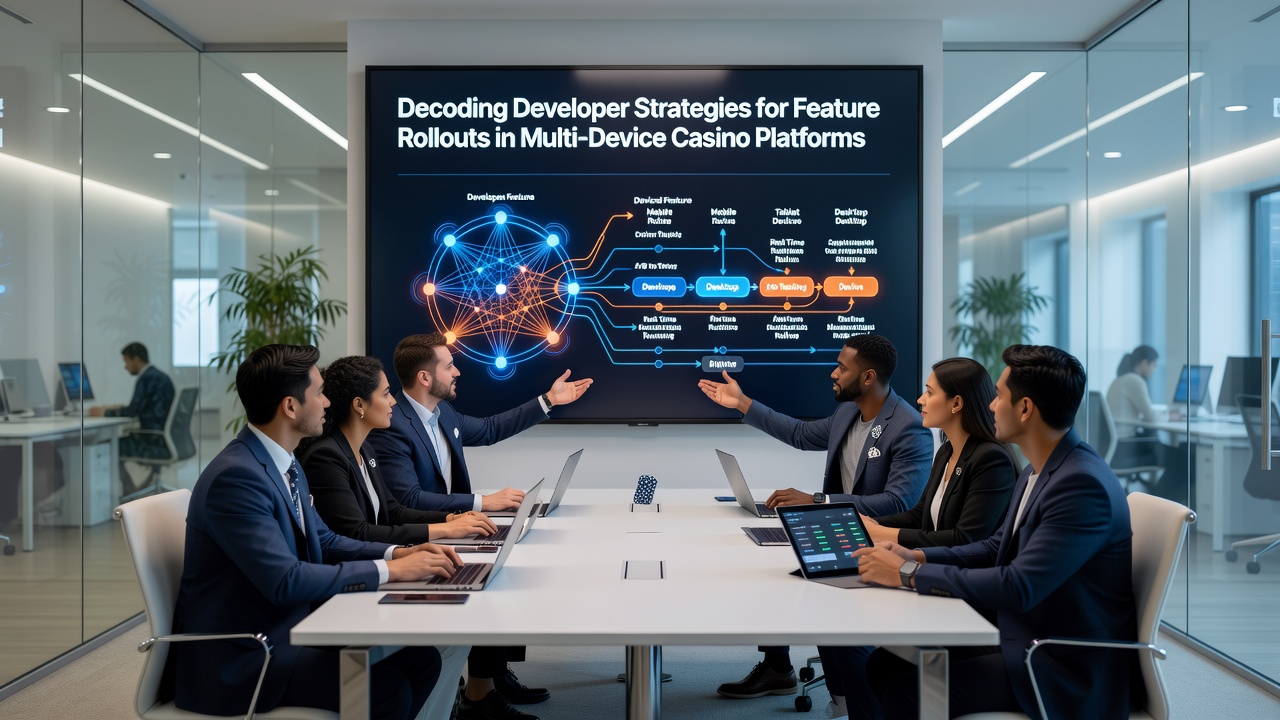
Rollout sequences typically follow staged patterns that begin with internal testing environments, move to closed beta groups on specific devices, and expand based on performance metrics collected during each phase, while data from July 2026 shows platforms adopting these sequences achieved measurable reductions in rollback incidents compared to simultaneous global releases. Canary releases target small percentages of users on particular operating systems first, allowing developers to isolate issues tied to hardware differences before scaling further.
Compatibility testing incorporates automated scripts that simulate thousands of device configurations, and experts have observed that combining these scripts with manual checks on popular models catches edge cases that automated systems overlook, such as touch response variations during live dealer interactions.
Data Integration and Feedback Loops
Analytics platforms track engagement shifts immediately after each staged release, feeding results back into decision trees that determine whether to proceed, adjust, or halt further distribution, and according to a report from the American Gaming Association these loops have become standard practice across major operators. Device-specific telemetry reveals usage patterns that differ significantly between mobile sessions lasting minutes and longer desktop interactions, which informs how developers prioritize feature visibility and loading sequences.
Collaboration between development teams and certification bodies ensures that new code passes security and fairness reviews before reaching production, and those who have studied integration patterns note that early involvement of auditors shortens overall timelines even when multiple regional approvals are required.
Regional Variations in Execution
Platforms operating in multiple markets adjust rollout calendars to align with local regulatory calendars, where one region might require additional documentation while another focuses on technical audits alone, and this geographic layering adds complexity that developers address through centralized control dashboards. Research from Canadian gaming authorities highlights how cross-border operators maintain separate compliance branches within the same codebase to accommodate these differences without fragmenting the user experience.
What's interesting is the growing use of edge computing nodes that cache feature updates closer to end users, reducing latency during initial rollout waves, and industry organizations tracking these trends report that such infrastructure investments correlate with higher retention rates during transition periods.
Conclusion
Developer strategies for feature rollouts in multi-device casino platforms center on modular design, staged releases, and continuous data collection that together support consistent performance across hardware types, and as markets evolve through 2026 these methods continue to adapt to new device categories and regulatory requirements. The combination of automated testing, feature flags, and region-specific compliance paths provides the framework that allows platforms to introduce updates reliably while minimizing disruption for players.