Decoding How Certification Bodies Influence Software Integration Choices Across Emerging Digital Gaming Ecosystems
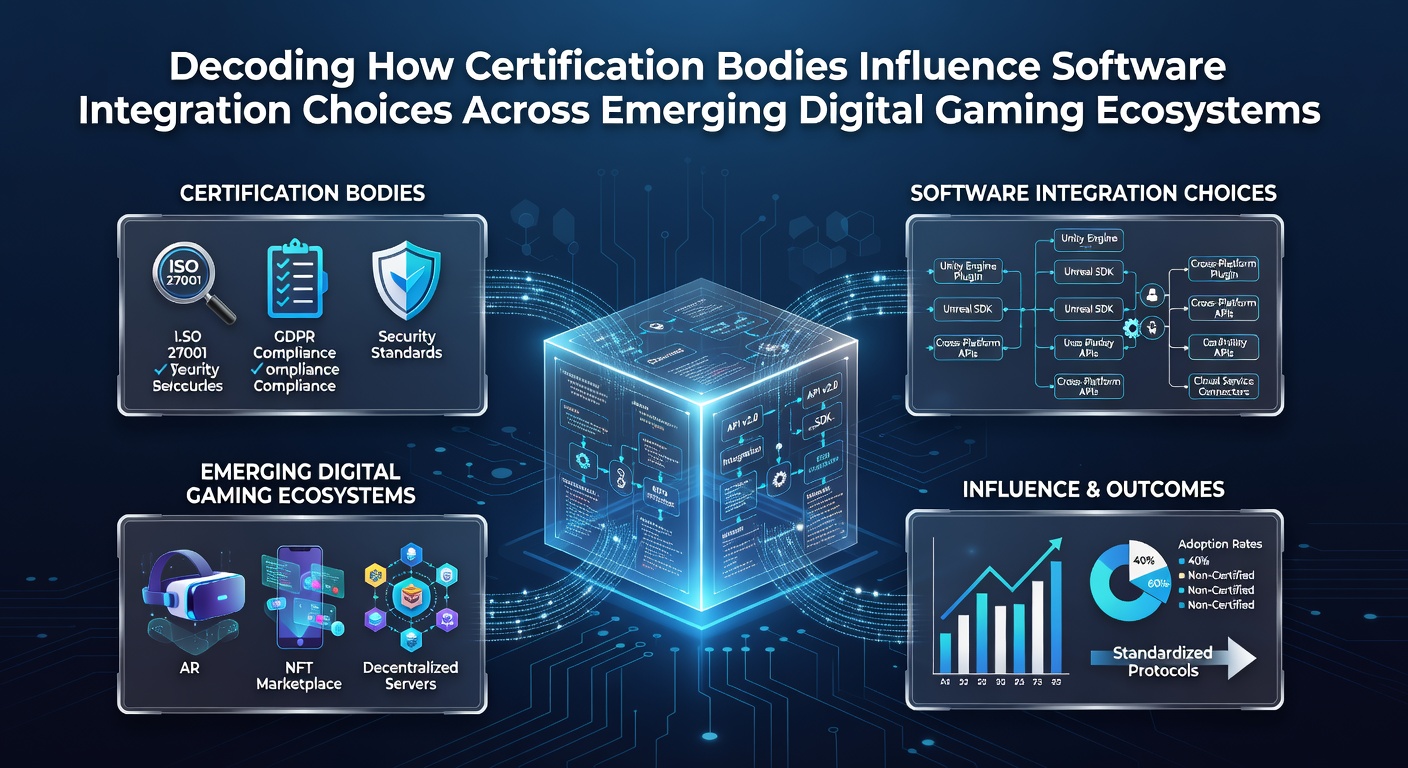 Certification bodies shape software integration decisions in digital gaming by establishing technical benchmarks that developers must meet before platforms can launch or expand. These organizations evaluate security protocols, interoperability standards, and performance metrics across mobile, cloud, and virtual environments. Data from regulatory filings show that studios often redesign core engines to align with certification requirements rather than pursue independent architectures.
Core Functions of Certification Bodies in Gaming Software
Testing laboratories assess code for vulnerabilities while verifying that integration points between game clients, payment gateways, and backend servers remain stable under load. Observers note that certification cycles typically span six to eighteen months, during which engineers adjust API connections and data encryption layers to satisfy evolving checklists. Research indicates that platforms seeking multi-jurisdictional access prioritize certifications accepted in multiple regions, which reduces redundant testing expenses.
Standards cover random number generation, return-to-player calculations, and anti-cheat mechanisms that directly affect how third-party modules connect to the main system. Those who've studied certification workflows report that early engagement with auditors frequently leads to modular designs where individual components receive separate approvals, allowing faster updates later.
Regional Variations and Their Impact on Integration Strategies
European regulators emphasize data protection rules that influence how gaming ecosystems handle player information across distributed servers, while North American bodies focus on financial transaction integrity and responsible gaming controls. Australian authorities have introduced requirements for real-time monitoring tools that necessitate deeper integration between analytics software and game logic. Developers responding to these differences often maintain parallel code branches, each tailored to specific certification frameworks.
Figures from industry reports reveal that companies targeting Asian markets invest additional resources in localization testing because certification bodies there scrutinize cultural content alongside technical performance. This layered approach forces software architects to build flexible middleware layers that accommodate varying compliance demands without full rewrites.
Technical Adjustments Driven by Certification Requirements
Engineers frequently rewrite network synchronization code to meet latency thresholds set by certification labs, especially when platforms incorporate live dealer feeds or cloud-based rendering. Integration of artificial intelligence features for personalized experiences requires separate validation of decision algorithms to prevent unintended bias in game outcomes. Studies conducted by research institutions have documented cases where certification feedback prompted replacement of proprietary compression tools with standardized alternatives that auditors already approved.
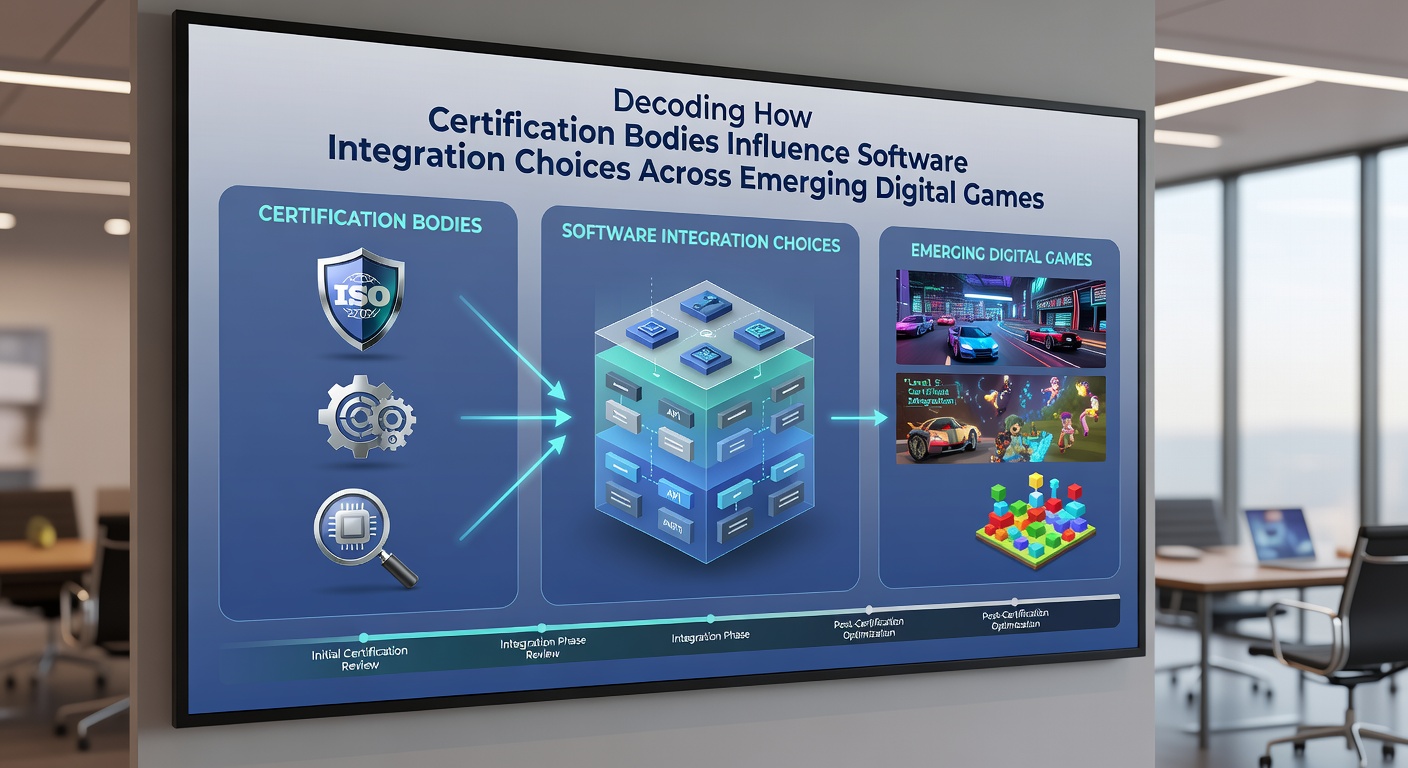
Platforms built on emerging technologies such as blockchain ledgers encounter extra scrutiny around smart contract audits, which certification bodies coordinate with external specialists. This coordination extends timelines but creates documented audit trails that later support cross-platform migrations. Data shows that studios adopting certified component libraries early in development reduce integration friction when scaling to new ecosystems.
Case Examples from Recent Ecosystem Expansions
One development team working on augmented reality table games adjusted its rendering pipeline after certification testing identified conflicts with mobile graphics drivers in specific regions. Another project involving cross-device progression systems incorporated standardized save-state protocols following guidance from multiple testing bodies, which allowed seamless transitions between console and handheld environments. Observers tracking these shifts note that certification documentation often becomes a shared reference point during partnerships between independent studios and larger platform operators.
By May 2026, several certification frameworks are scheduled for updates that address quantum-resistant encryption methods, prompting current projects to include forward-compatible integration hooks. Those preparing for these changes have begun mapping dependencies between core game servers and auxiliary services to minimize future rework.
Broader Ecosystem Effects and Industry Patterns
Certification influence extends beyond initial approval to shape ongoing maintenance practices, as updates to certified components must undergo re-evaluation before deployment. Industry associations track how these processes affect smaller developers who lack dedicated compliance teams, leading some to rely on pre-certified middleware providers. Research from academic sources highlights that ecosystems incorporating certified software libraries experience fewer post-launch integration failures compared with those using custom solutions.
According to findings published by the Malta Gaming Authority, harmonized testing standards across jurisdictions have encouraged greater reuse of validated modules. A separate analysis from the Nevada Gaming Control Board demonstrates similar patterns in North American markets where certified payment interfaces integrate more reliably with loyalty tracking systems.
Conclusion
Certification bodies continue to steer software architecture decisions by defining the boundaries within which integration must occur. Their evaluations determine which technologies gain traction across gaming platforms and which remain confined to specific regions. Patterns emerging from current projects suggest that future ecosystems will increasingly rely on modular, pre-validated components to navigate complex compliance landscapes efficiently.