Encryption Protocol Evolutions Prompting Adjustments in Mobile Gambling Reward Systems
Ellis Simon · Aug 3, 2026
Encryption Protocol Evolutions Prompting Adjustments in Mobile Gambling Reward Systems
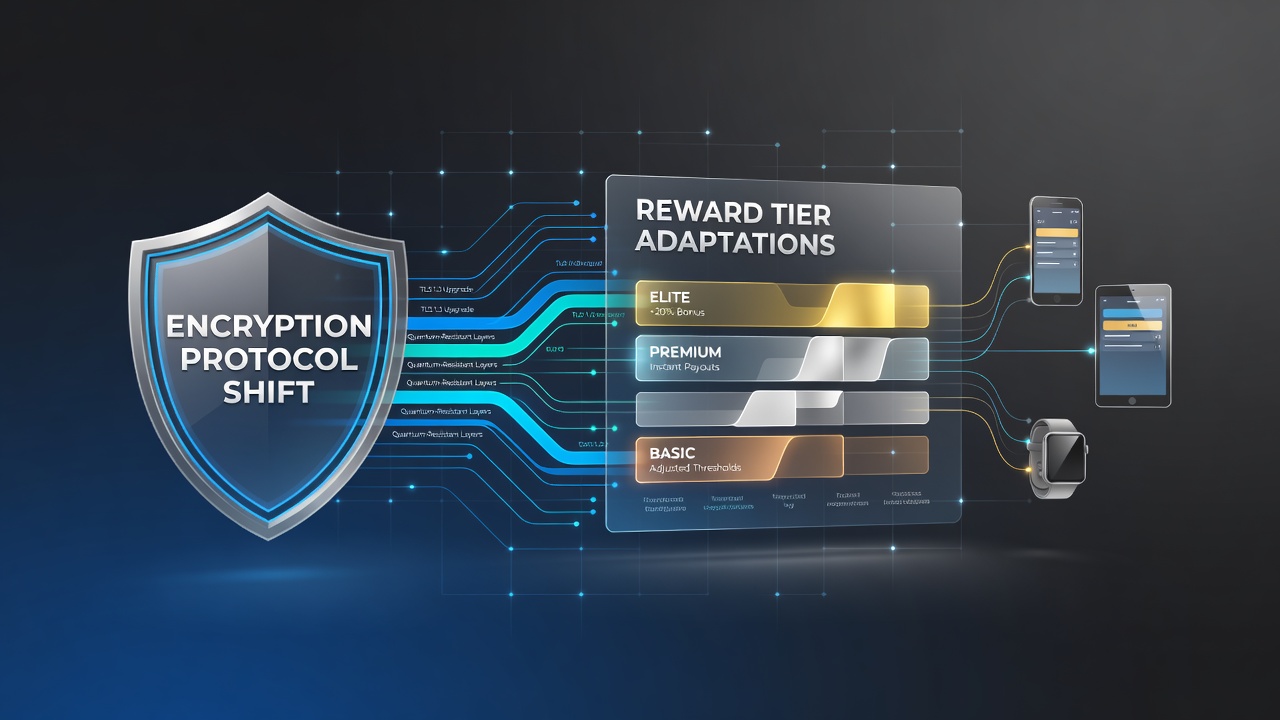
Encryption standards have shifted toward post-quantum algorithms and enhanced TLS implementations across portable wagering networks, and these changes have required operators to recalibrate reward tiers to maintain security compliance while preserving user engagement metrics. Data from regulatory filings in August 2026 indicate that several major platforms adjusted loyalty structures after adopting NIST-recommended quantum-resistant protocols, with tier thresholds modified to account for increased computational demands during transaction verification.
Protocol Transitions and Their Technical Footprint
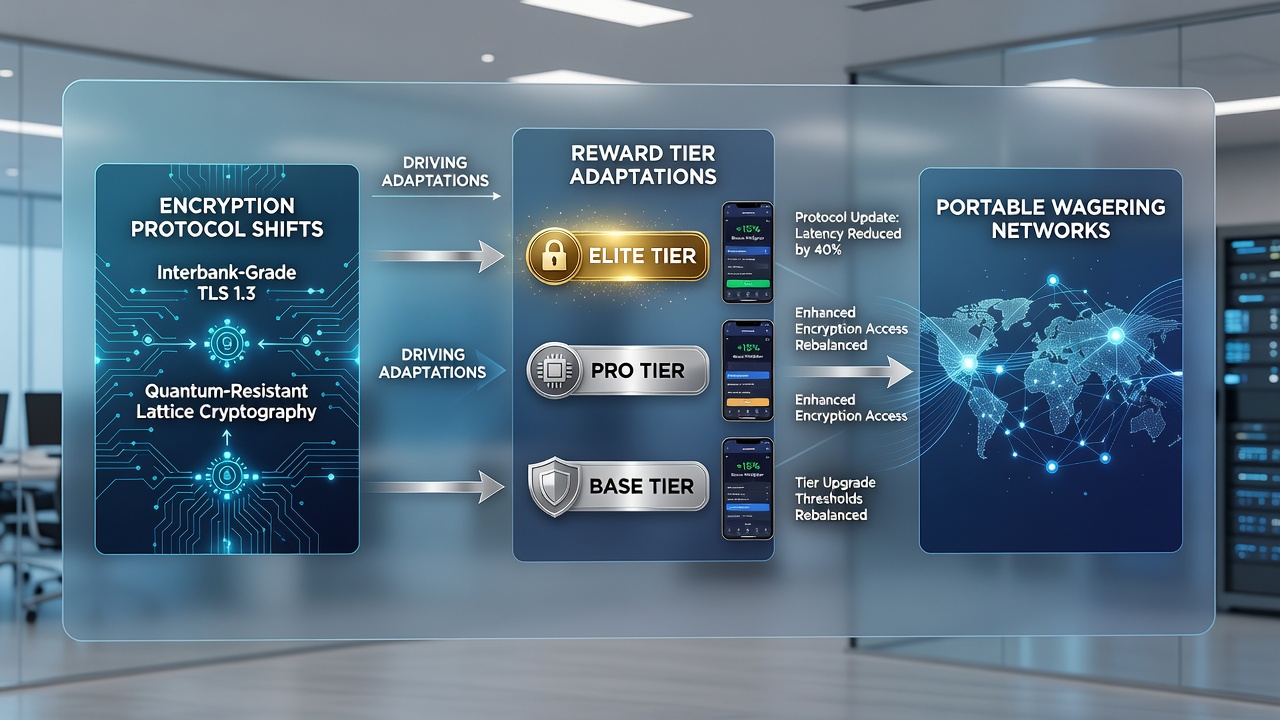
Operators have moved from legacy AES-256 variants paired with older TLS 1.2 configurations to hybrid models incorporating lattice-based cryptography, and researchers at institutions tracking digital security note that these upgrades add measurable latency to mobile sessions on iOS and Android devices. Portable wagering networks handle thousands of micro-transactions per minute, so protocol updates directly influence processing overhead, which in turn affects how platforms allocate computational resources between security layers and user-facing features like real-time reward tracking.
Figures from industry reports show adoption rates climbing steadily through mid-2026, with networks in North America and Asia-Pacific regions leading implementation because local regulations now reference updated cryptographic guidelines. This transition has prompted developers to redesign backend authentication flows, and those adjustments have carried downstream effects on how reward points accrue during live sessions.
Impact on Reward Tier Structures
Reward tiers in portable wagering environments traditionally scale with deposit volume, play frequency, and session duration, yet newer encryption requirements have introduced variables around transaction integrity checks that now factor into tier eligibility calculations. Platforms have raised minimum activity thresholds for mid-level rewards in several documented cases, and data indicates this stems from the need to offset verification costs associated with stronger key exchanges during each authenticated bet placement.
One case study from a multi-state operator revealed that after migrating to hybrid post-quantum suites, the system began logging additional metadata for audit trails, which then fed into revised algorithms determining cashback percentages and bonus multipliers. Observers tracking these patterns note that lower tiers saw fewer modifications while premium segments gained new sub-categories tied explicitly to devices supporting the latest protocol versions.
Regulatory bodies in regions including Nevada and Singapore have issued guidance emphasizing that security enhancements must not compromise responsible gaming features, and this has encouraged operators to tie certain reward redemptions to verified secure sessions. The result appears in tier designs that reward consistent use of updated client software, creating incentives for users to maintain current app versions that embed the new encryption standards.
Regional Variations and Compliance Drivers
North American networks have integrated these protocol shifts alongside existing payment card industry standards, whereas European operators have aligned updates with broader digital services directives that reference evolving cryptographic benchmarks. Canadian provincial regulators, for instance, have required documented proof of quantum-resistant readiness in licensing renewals scheduled for late 2026, and this has accelerated tier adaptations among platforms serving those markets.
Studies published through academic channels, including work affiliated with NIST post-quantum initiatives, highlight performance trade-offs that wagering operators must navigate when scaling mobile infrastructure. These findings correlate with observed changes where reward multipliers for high-volume users now incorporate security compliance scores derived from encryption handshake success rates.
Operational Adjustments Across Networks
Developers have implemented tiered authentication models that differentiate between standard and enhanced encryption paths, allowing lower-tier users to access basic gameplay while routing premium rewards through stricter verification channels. This segmentation reduces server load during peak hours and aligns computational costs with revenue-generating activity levels, according to metrics shared in operator disclosures from August 2026.
Portable platforms have also introduced device-specific bonuses that activate only when hardware supports the updated protocols, and such features have appeared in both slot and table game environments. Data shows engagement metrics holding steady despite these modifications, suggesting users adapt quickly when reward structures communicate the security rationale clearly through in-app messaging.
Conclusion
Encryption protocol advancements continue to reshape how portable wagering networks structure their reward ecosystems, with compliance requirements driving measurable recalibrations in tier thresholds and eligibility criteria. Operators that align these updates with transparent communication maintain user trust while meeting regulatory expectations across multiple jurisdictions. Ongoing monitoring through 2026 and beyond will determine whether these adaptations stabilize into standard practice or require further refinement as cryptographic standards evolve.