Examining Ties Between Loyalty Program Tiers and Cross-Device Gameplay Continuity in Online Entertainment Platforms
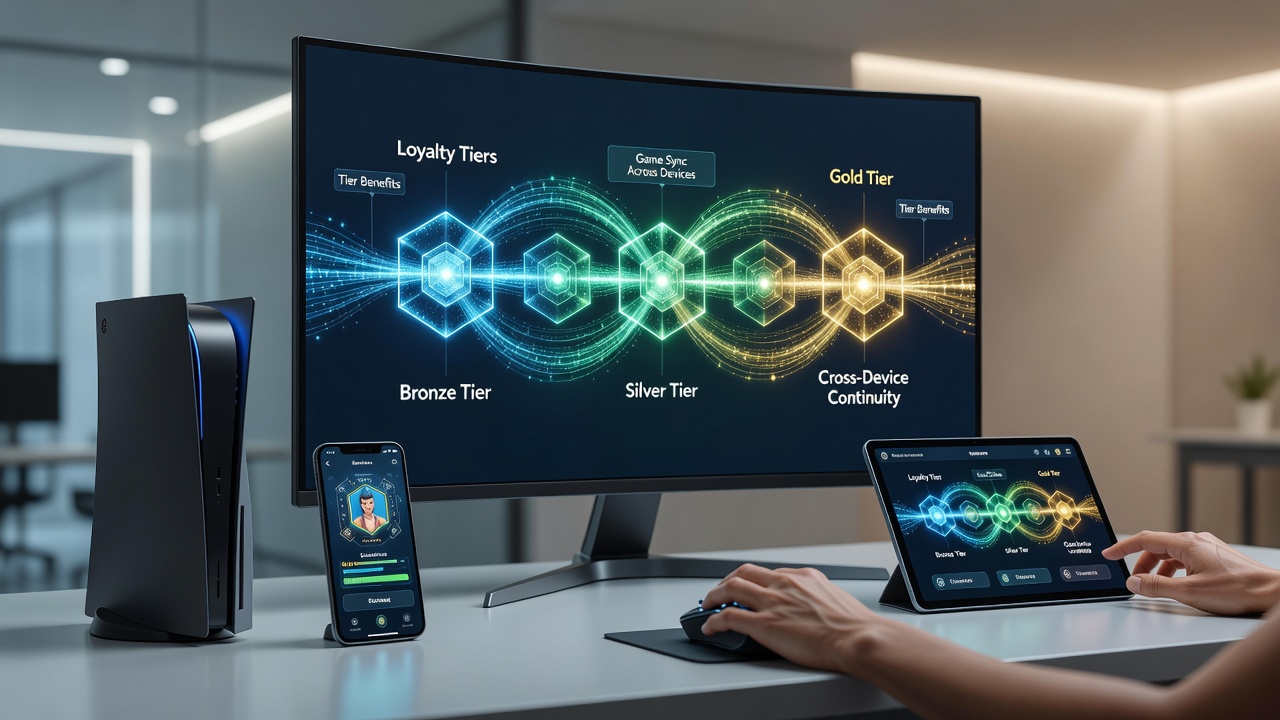
Online entertainment platforms have developed loyalty programs that segment users into distinct tiers based on activity levels and spending patterns, while cross-device gameplay continuity refers to the seamless transfer of progress and features between mobile, tablet, and desktop environments. Researchers tracking these systems note direct connections between tier status and the quality of device transitions available to participants.
Loyalty Structures and Platform Features
Higher loyalty tiers often unlock advanced continuity options such as synchronized save states, real-time cloud backups, and priority server routing that reduce latency during device switches. Data collected across major platforms reveals that users at entry-level tiers experience standard session handoffs with occasional interruptions, whereas premium tier members receive enhanced protocols that maintain exact game states across operating systems. Observers note these differences emerge because platforms allocate server resources according to tier classifications established through cumulative play metrics.
Patterns Observed in User Activity
Studies examining engagement trends from January through July 2026 found that participants advancing to mid-tier status increased their cross-device sessions by measurable margins compared with base-level accounts. Platform analytics indicate that continuity features tied to tier advancement encourage longer overall play periods, since users encounter fewer disruptions when moving between personal computers and handheld devices during daily routines. Those monitoring industry reports highlight how tier benefits extend to exclusive access modes that prioritize bandwidth allocation during peak hours, supporting uninterrupted transitions even in high-traffic periods.
Technological Integration Points
Software frameworks powering these platforms employ tier-based authentication layers that activate specialized continuity modules upon reaching certain thresholds. For instance, when accounts qualify for elevated status, automated systems activate persistent token systems allowing instant resumption of table games or slot sessions without re-authentication delays. Industry data shows integration patterns where loyalty algorithms feed directly into device detection routines, ensuring that higher-tier accounts receive optimized rendering pipelines tailored to the target hardware.
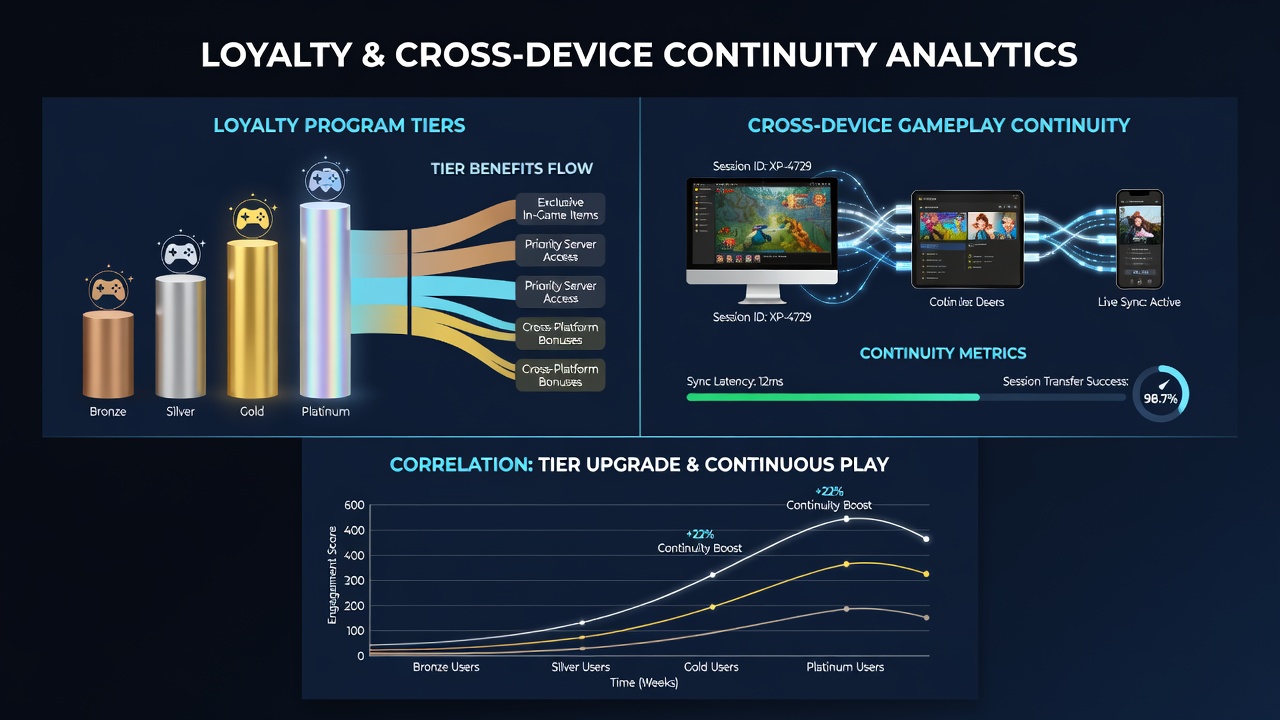
What's interesting about these setups involves the way certification processes influence feature rollouts. Platforms must meet technical standards before deploying tier-linked continuity tools, and reports from regulatory bodies in regions like Nevada and Australia document how compliance reviews affect implementation timelines. One analysis covering browser-based environments demonstrated that certified continuity features appeared more consistently among accounts holding advanced loyalty standing during the first half of 2026.
Regional Data and Platform Comparisons
Figures from the National Indian Gaming Commission and similar oversight entities in Canada reveal variations in how loyalty tiers correlate with device continuity adoption rates. Platforms operating across multiple jurisdictions show stronger continuity performance for higher-tier users in markets with stricter technical requirements. Researchers compiling engagement statistics note that these patterns hold across slot and table game categories, with mobile-to-desktop transfers exhibiting the clearest tier-based differentials.
Take one dataset released in mid-2026 that tracked over several million active accounts. It indicated elevated continuity success rates for participants who maintained consistent tier progression through structured reward cycles. These outcomes align with findings from academic reviews of digital entertainment ecosystems, where reward structures directly influence accessibility features on portable platforms.
Future Tracking and Measurement Approaches
Analysts continue developing metrics that quantify the precise impact of loyalty tiers on cross-device performance. Current methodologies combine session logs with tier advancement histories to identify causal links rather than simple correlations. Platforms incorporating these measurement tools report improved ability to adjust continuity protocols based on real-time tier data, creating feedback loops that refine user experiences without manual intervention.
Conclusion
Evidence gathered through platform analytics, regulatory filings, and independent reviews establishes measurable connections between loyalty program tiers and the reliability of cross-device gameplay continuity. Higher tiers consistently associate with enhanced technical support for seamless transitions, while base tiers operate under standard continuity parameters. As platforms refine these systems through ongoing certification and data analysis, the documented patterns suggest continued evolution in how tier status shapes multi-device participation across online entertainment environments.