How Aggregated User Feedback Shapes Deposit Method Preferences in Portable Gaming Ecosystems
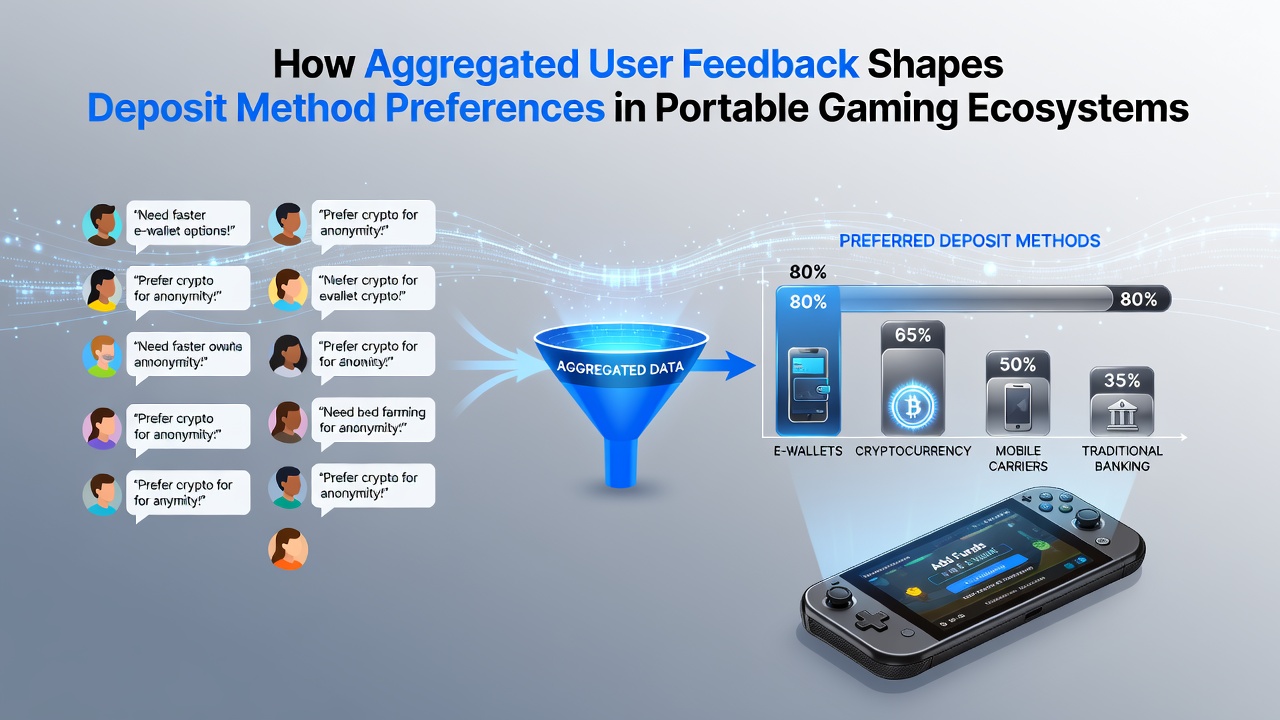
Portable gaming ecosystems have expanded rapidly through 2026, and aggregated user feedback now plays a central role in determining which deposit methods gain traction among players on smartphones and tablets. Developers and platform operators collect ratings, reviews, and usage patterns from millions of transactions each month, then adjust available payment options based on those collective signals rather than isolated preferences.
Data Collection Mechanisms in Mobile Environments
Operators gather feedback through in-app surveys, post-transaction prompts, and aggregated analytics from third-party processors, while forums and app store comments add qualitative layers that reveal friction points such as processing delays or verification hurdles. In July 2026, several major platforms reported that e-wallet integrations received higher satisfaction scores when transaction times dropped below fifteen seconds, prompting wider adoption of services that meet those benchmarks. Researchers at institutions tracking digital entertainment have noted that these data streams allow operators to identify emerging trends before they appear in broader market reports.
Influence on Payment Preference Shifts
Feedback loops drive measurable changes in deposit method availability, as platforms phase out options that consistently receive lower ratings for security concerns or compatibility issues across different device operating systems. Data from multiple regional operators shows that credit card usage in portable environments declined in favor of instant bank transfer solutions when users highlighted repeated authorization failures during peak gaming hours. Those who've examined these patterns observe that operators respond by prioritizing methods with higher completion rates, which in turn reinforces their visibility within the app interface.
One documented case involved a European operator that restructured its deposit menu after aggregated scores revealed strong preference for cryptocurrency wallets among users in specific age brackets, leading to streamlined onboarding flows that reduced setup steps from five to two. Similar adjustments appeared in North American markets where feedback highlighted the convenience of digital wallet linkages tied to existing mobile payment accounts.
Regional Variations and Platform Adaptations
Preferences diverge across geographic regions because local regulations and banking infrastructures shape the feedback that reaches operators. Platforms serving Australian users, for instance, saw increased emphasis on methods compatible with local instant payment rails after reviews repeatedly cited cross-border transfer limitations. In contrast, Canadian operators adjusted offerings following feedback that favored prepaid card options for their balance visibility features during extended play sessions.
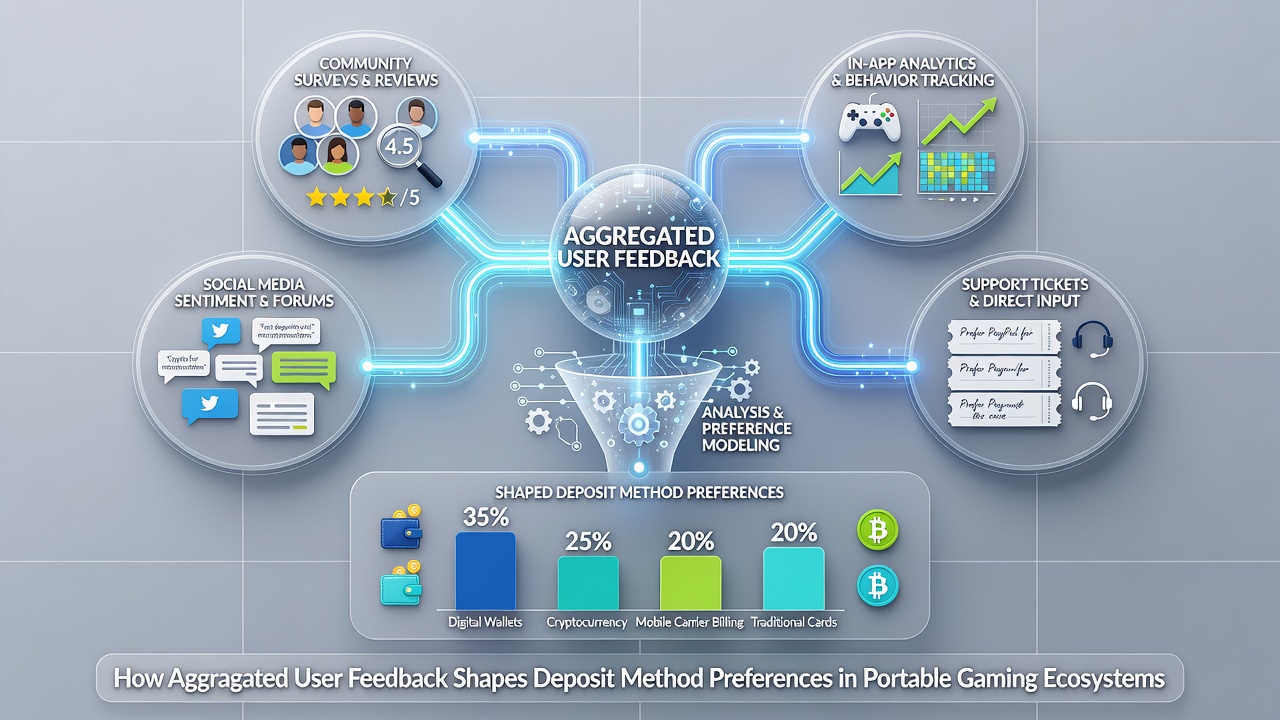
According to findings published by the American Gaming Association, portable platforms that incorporated user-driven ranking systems experienced faster alignment between available methods and actual usage patterns. These systems surface top-rated options more prominently, which accelerates adoption cycles while reducing support queries related to failed transactions.
Technical Integration Outcomes
Feedback aggregation influences backend decisions on API integrations, as operators favor processors that demonstrate consistent performance across device types and network conditions. Studies from academic groups examining interactive entertainment have tracked how negative reviews about authentication delays prompted several providers to implement biometric verification layers that improved completion rates within weeks of deployment. The result appears in updated app versions that surface these enhanced methods earlier in the deposit sequence.
Operators also monitor seasonal fluctuations, noting that feedback volumes spike during promotional periods when players test multiple methods in quick succession. Platforms that respond by temporarily elevating highly rated alternatives maintain higher engagement levels compared with those that retain static menus.
Long-Term Ecosystem Effects
Over repeated cycles, aggregated feedback creates self-reinforcing pathways where successful methods receive more development resources, while underperforming ones gradually disappear from portable interfaces. Trade reports from the Gaming Standards Association indicate that this dynamic has accelerated standardization around a smaller set of cross-platform solutions by mid-2026. Players benefit from interfaces that reflect collective experience rather than default selections imposed at launch.
Conclusion
Aggregated user feedback has become a primary driver behind deposit method evolution in portable gaming, shaping both the visibility and technical refinement of available options across diverse markets. Platforms that systematically incorporate these signals demonstrate clearer alignment with user behavior patterns observed through transaction data and review analysis. As portable ecosystems continue to mature, the mechanisms for collecting and acting on collective input will likely determine which payment pathways remain prominent in future app iterations.