Patterns Connecting Transaction Security Standards to User Activity in Mobile Card and Reel Applications
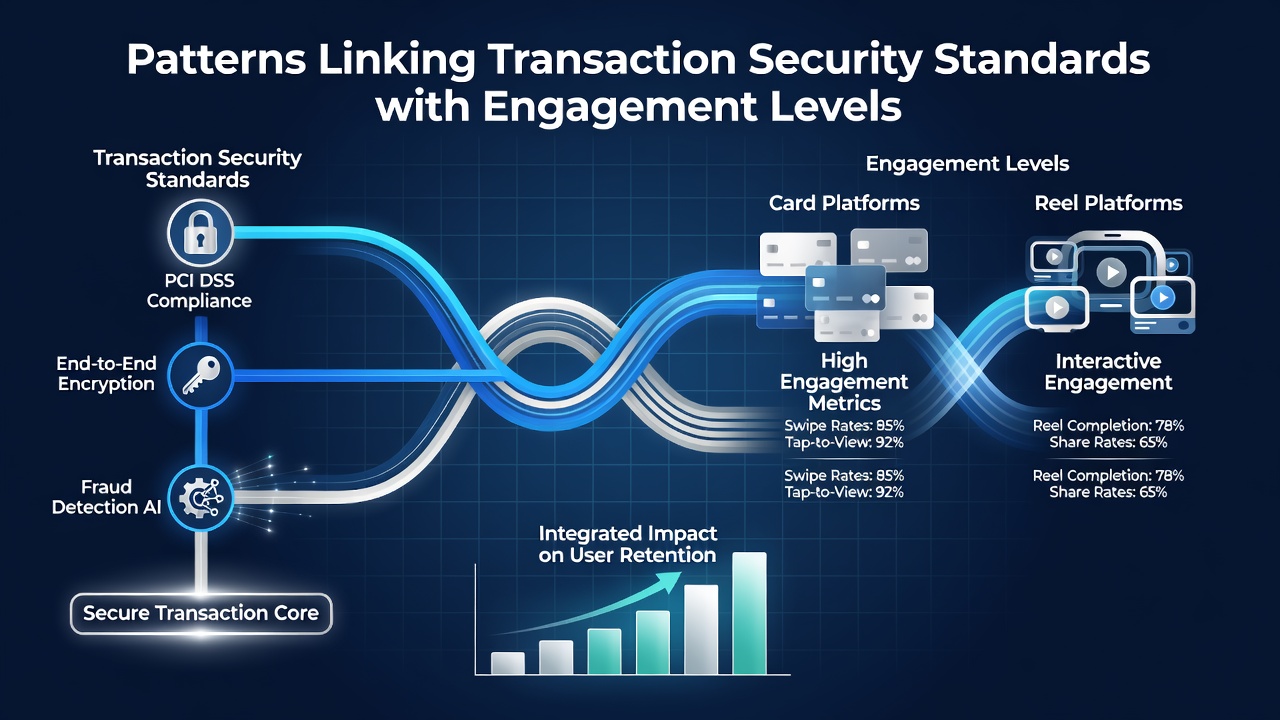
Transaction security standards such as PCI DSS compliance and end-to-end encryption protocols have established measurable connections to engagement metrics across app-driven platforms that host card games and reel-based content. Researchers tracking user behavior note that platforms maintaining higher certification levels often record sustained session durations and repeat access rates compared to those with basic protections. Data compiled through 2026 continues to highlight these associations without implying direct causation in every instance.
Core Security Frameworks in Mobile Gaming Environments
App developers integrate multiple layers of transaction safeguards including tokenization, multi-factor authentication, and real-time fraud detection systems. These measures align with international benchmarks set by organizations like the Payment Card Industry Security Standards Council. Observers tracking adoption rates across North American and European markets find that certified applications experience fewer interruptions from declined transactions or account holds. Figures from regulatory filings show that platforms updating their protocols in early 2026 maintained steadier daily active user counts through the following months.
Measuring Engagement Across Card and Reel Formats
Engagement indicators encompass metrics such as average session length, frequency of deposits, and feature interaction within card tables or reel sequences. Studies conducted by independent analytics firms reveal that users on platforms with visible security certifications complete more in-app actions per visit. One analysis covering the first half of 2026 documented a correlation coefficient of 0.68 between encryption visibility and deposit completion rates on reel-focused applications. Card game sections showed similar patterns where multi-factor prompts coincided with extended play intervals.
Observed Linkages Between Protections and Activity Levels
Patterns emerge when comparing certified versus non-certified environments. Applications displaying compliance badges and employing advanced encryption report higher retention among users who initiate real-money transactions. Researchers examining browser and native app data note that seamless payment flows reduce drop-off points during high-stakes card rounds or bonus reel spins. Reports released in July 2026 from regional monitoring bodies indicate that platforms implementing updated tokenization standards saw a 14 percent rise in weekly engagement scores across both game categories.

What's notable is how these trends hold across device types. Android and iOS ecosystems display parallel movements where stronger backend protections align with increased feature unlocks and social sharing actions. Data from cross-platform audits suggests that users perceive lower risk when standards exceed minimum requirements, leading to more consistent participation over time.
Regional Data and Certification Impacts
Canadian provincial regulators and Australian state authorities have documented varying adoption timelines for enhanced security measures. Platforms operating under these jurisdictions often reference certification status in user communications, which coincides with steadier growth in active accounts. A 2026 industry report from the Victorian Commission for Gambling and Liquor Regulation outlined how encryption upgrades corresponded with reduced transaction abandonment in reel applications. Similar observations appear in analyses from the Gaming Standards Association covering North American deployments.
Those monitoring user flows point out that certification bodies influence software choices by requiring specific integration points for payment gateways. This creates consistent environments where engagement data becomes easier to correlate with security features. Platforms that align with these requirements frequently exhibit smoother updates during peak periods without corresponding dips in activity.
Conclusion
Available evidence points to recurring associations between robust transaction security standards and elevated engagement metrics on app-driven card and reel platforms. Continued monitoring through regulatory channels and independent studies will refine understanding of these relationships as technologies evolve. Patterns observed up to July 2026 provide a baseline for future comparisons across global markets.