Philippines Casino Revenue Outlook Signals Potential Contraction Amid Geopolitical Pressures

Revenue Projections Take Center Stage
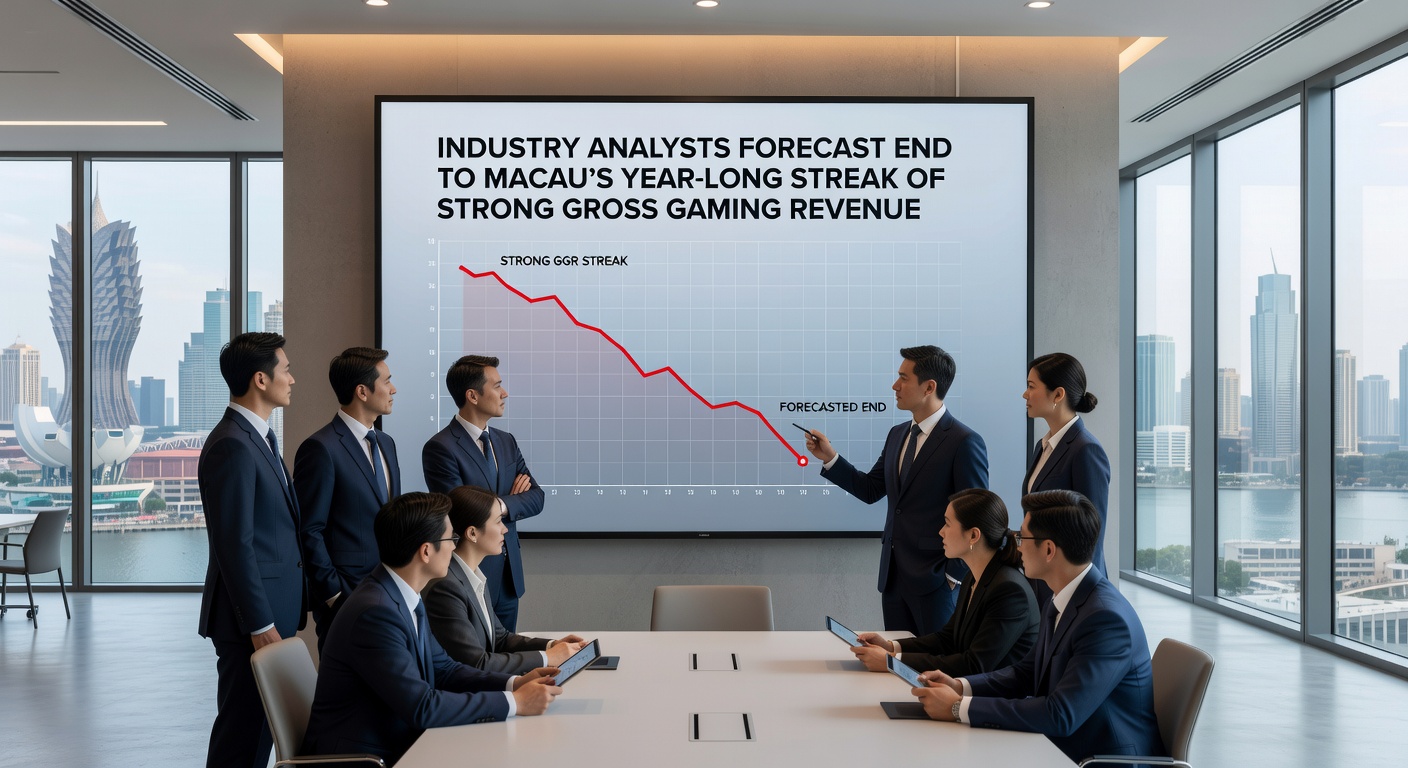
PAGCOR Chairman and CEO Alejandro Tengco outlined a measured forecast for the Philippine gaming sector, noting that gross gaming revenue could drop by as much as 19 percent in 2026, landing between Php320 billion and Php350 billion, or roughly US$5.20 billion to US$5.69 billion; this follows the record Php396.1 billion, equivalent to US$6.44 billion, achieved in 2025, and the shift stems primarily from ongoing effects of the Middle East conflict on consumer spending patterns, especially within mass-market and online gaming channels that had already absorbed earlier disruptions from e-wallet de-linking measures.
Those tracking industry metrics point out that the mass-market segment often accounts for a substantial share of overall volume, which makes any sustained pressure on discretionary spending particularly visible in the numbers, while online platforms continue to feel ripple effects from payment ecosystem adjustments that began earlier.
Key Factors Driving the Outlook
The Middle East conflict has introduced cost pressures that influence travel decisions and leisure budgets for key visitor groups, leading analysts to connect reduced spending capacity directly to lower play volumes in both physical and digital environments; Tengco highlighted how these external dynamics compound previous challenges, yet he also referenced tourism recovery as a counterbalancing element that could support stabilization if visitor inflows accelerate.
Increased arrivals from China receive particular attention in the assessment because that market historically contributes meaningful footfall to integrated resorts, and any rebound in those numbers could help offset declines elsewhere, although the timing and scale remain dependent on broader regional stability.
Context Around June 2026 Developments
By June 2026 the conversation around these projections gains added weight as operators evaluate mid-year performance against the full-year targets Tengco described, with data streams from the first half providing early signals on whether tourism gains are materializing fast enough to cushion the anticipated contraction.
Observers note that the combination of geopolitical tensions and prior regulatory shifts around digital wallets created a layered impact, where initial revenue softness in online channels preceded wider effects on walk-in mass-market play, and the latest statements frame the 2026 range as a realistic planning scenario rather than a worst-case estimate.
Segment-Specific Impacts
Breakdowns shared in the statement separate the mass-market experience from premium and online segments, illustrating that consumer spending sensitivity appears most pronounced where average bet sizes are smaller and repeat visitation drives the bulk of revenue; online channels, meanwhile, face the dual legacy of payment restrictions and external economic uncertainty that together limit transaction volumes.
Those monitoring these trends emphasize that the 19 percent upper-bound decline would represent a notable departure from the 2025 peak, yet the lower end of the Php320–350 billion range still positions the industry above pre-pandemic benchmarks in nominal terms, underscoring resilience even amid the projected slowdown.
Balancing Influences on Future Results
Tourism indicators, including the pace of Chinese visitor recovery, stand out as variables that could narrow the gap between current forecasts and actual outcomes, because higher arrival numbers typically translate into increased table and slot activity across multiple properties; Tengco presented this element as a potential positive offset that operators and regulators alike will watch closely through the remainder of 2026.
Data from arrival statistics and spending patterns will continue to feed into updated models, allowing PAGCOR and industry participants to refine expectations as more information becomes available on both conflict resolution timelines and travel facilitation measures.
Operational Implications
Integrated resort operators are already incorporating the range Tengco provided into budgeting exercises, adjusting marketing outreach and staffing projections to align with the possibility of softer mass-market volumes while preparing contingency plans that leverage any tourism upswing; the emphasis on factual revenue modeling reflects standard practice when external shocks intersect with domestic regulatory frameworks.
Payment infrastructure adjustments that followed e-wallet de-linking continue to shape online participation rates, and the added layer of geopolitical cost pressures extends those effects into physical venues where visitors weigh travel expenses against entertainment budgets.
Conclusion
The statement from PAGCOR leadership supplies a clear numerical framework for 2026 expectations, anchoring the projected Php320–350 billion range to identifiable external pressures while acknowledging tourism recovery as a mitigating factor; stakeholders now have a defined reference point against which monthly and quarterly results can be measured as the year progresses.