Player Feedback Loops Reshaping Game Selection Patterns Across Cross-Device Wagering Platforms
Harper Peters · Jul 29, 2026
Player Feedback Loops Reshaping Game Selection Patterns Across Cross-Device Wagering Platforms
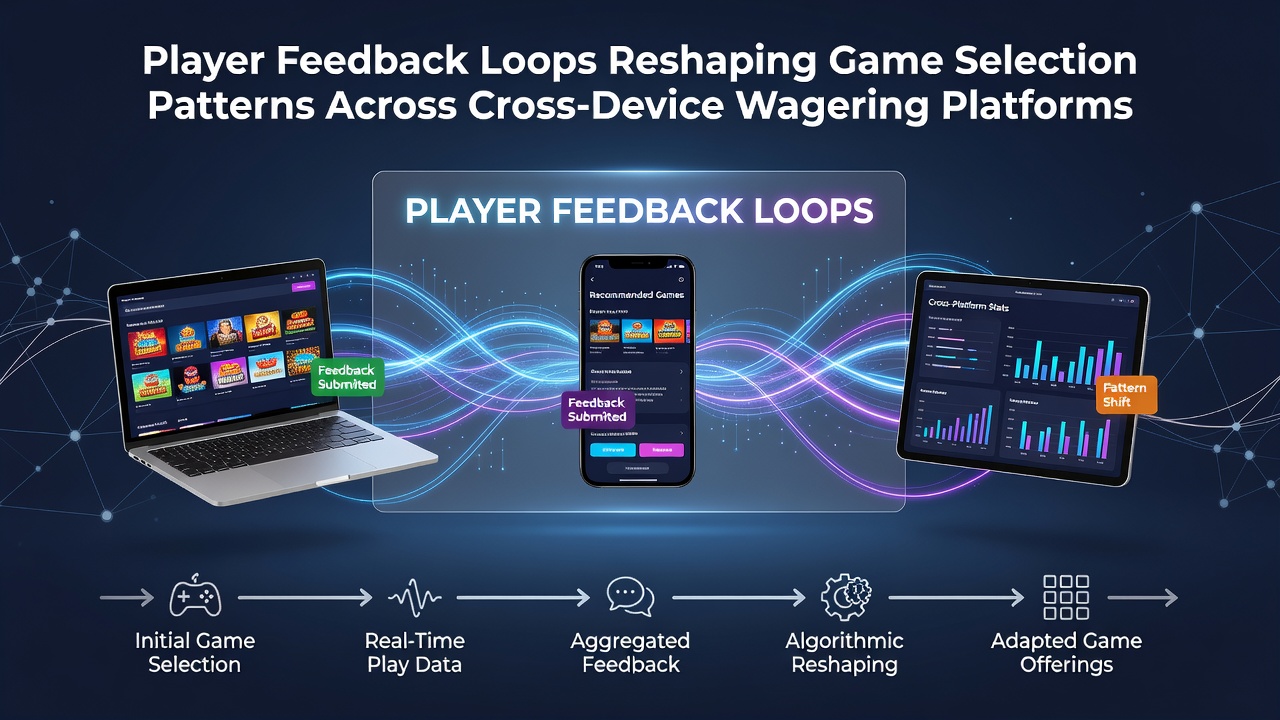
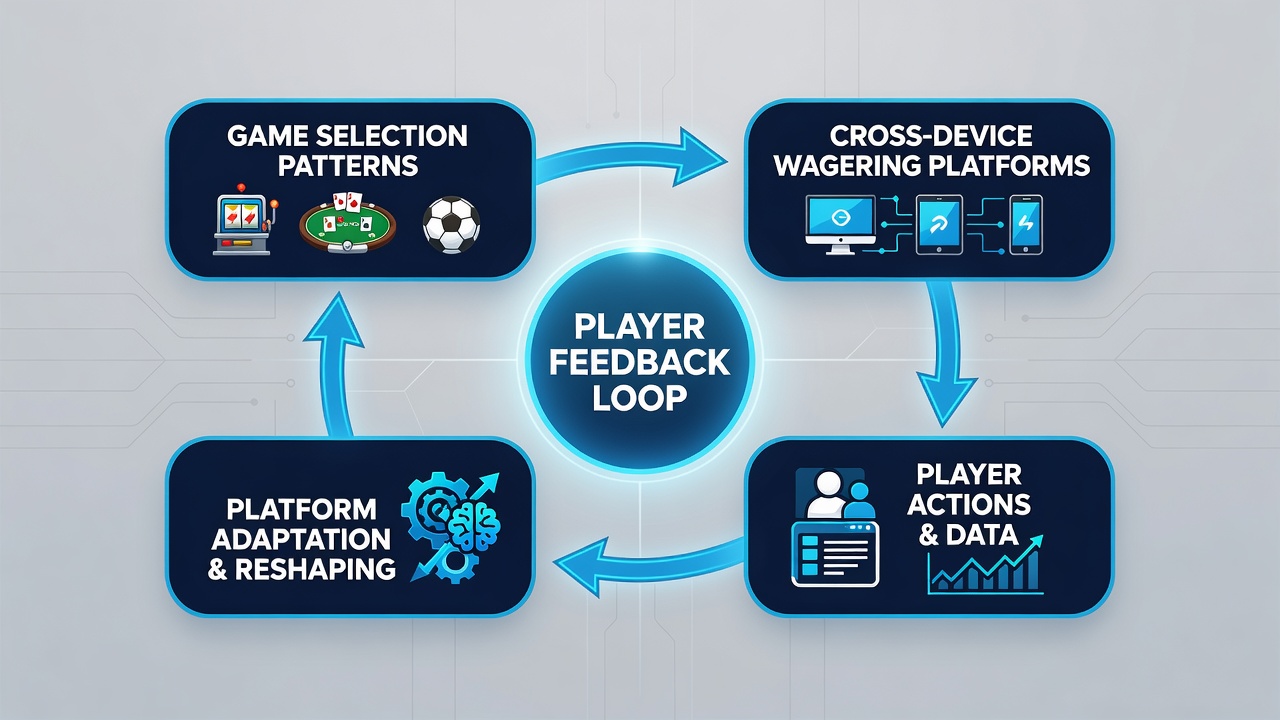
Player feedback mechanisms now operate as continuous data streams that adjust game visibility and recommendations across mobile, tablet, and desktop wagering environments, and these systems rely on aggregated metrics such as session duration, completion rates, and direct ratings submitted after each round.
Research indicates that platforms integrate these inputs into recommendation engines which prioritize titles based on device-specific performance, so a slot game that receives high engagement on smartphones may surface less frequently on larger screens where users report different preferences for table game variants.
Data Collection Mechanisms in Multi-Device Environments
Operators track behavioral signals through in-app prompts and post-session surveys, while automated logging captures swipe patterns, bet sizing adjustments, and exit points without requiring manual input from users. These combined sources create closed loops that update selection menus in near real time, and developers adjust interface elements such as button placement or animation speed according to device category performance.
According to figures from the Pennsylvania Gaming Control Board, cross-device play accounted for over 60 percent of total online wagering volume in the first half of 2026, with feedback-driven ranking changes correlating to shifts in popular game categories between phone and desktop sessions.
Impact on Game Visibility and User Pathways
Algorithms weight recent feedback more heavily than older data, which means a sudden drop in mobile ratings for a particular roulette variant can reduce its placement across all connected devices within hours. Observers note that this weighting produces rapid adjustments in featured sections, and users who switch between devices often encounter reordered libraries that reflect the dominant platform's recent activity rather than a static catalog.
One study from the University of Nevada's International Gaming Institute tracked selection patterns over twelve months and found that titles promoted through feedback loops maintained higher retention rates on the originating device type while showing slower adoption when accessed from secondary devices.
Regional Variations in Feedback Integration
Platforms licensed in North American jurisdictions tend to emphasize quantitative metrics such as average bet size and spin frequency, whereas operators serving Asia-Pacific markets incorporate qualitative comments about visual themes and sound design into ranking decisions. These differing priorities result in distinct game promotion patterns, and data from the Alcohol and Gaming Commission of Ontario shows that Canadian platforms updated recommendation lists twice as often as comparable systems in other regions during July 2026.
What's interesting is how these regional approaches converge when users travel or use VPN connections, because the underlying engines must reconcile conflicting preference signals from multiple jurisdictions in a single account profile.
Technical Infrastructure Supporting Continuous Adjustment
Cloud-based processing clusters handle the volume of incoming feedback, and machine learning models segment users by device type before applying weighting factors that determine future menu order. Developers report that latency between feedback submission and visible ranking change has decreased to under fifteen minutes on major platforms, and this speed allows selection patterns to evolve throughout a single evening of play.
Integration with payment and loyalty systems further refines the loops, since spend data from successful sessions reinforces positive ratings while low-value interactions can suppress visibility even when qualitative scores remain neutral.
Future Adjustments Expected in Platform Design
Industry reports project continued refinement of device-specific weighting through the remainder of 2026, and testing of new feedback formats such as gesture-based reactions is already underway on select applications. These developments suggest that game selection pathways will become increasingly granular, with separate recommendation streams maintained for each hardware category a user activates.
Conclusion
Feedback loops now function as primary drivers of game discovery in cross-device wagering, and the resulting selection patterns reflect ongoing recalibration rather than fixed preferences. Continued monitoring by regulatory bodies and research institutions will document how these systems evolve as hardware capabilities and user habits shift in parallel.