Revealing Connections Between Security Protocols and Time Spent in Digital Slot Environments on Handheld Devices
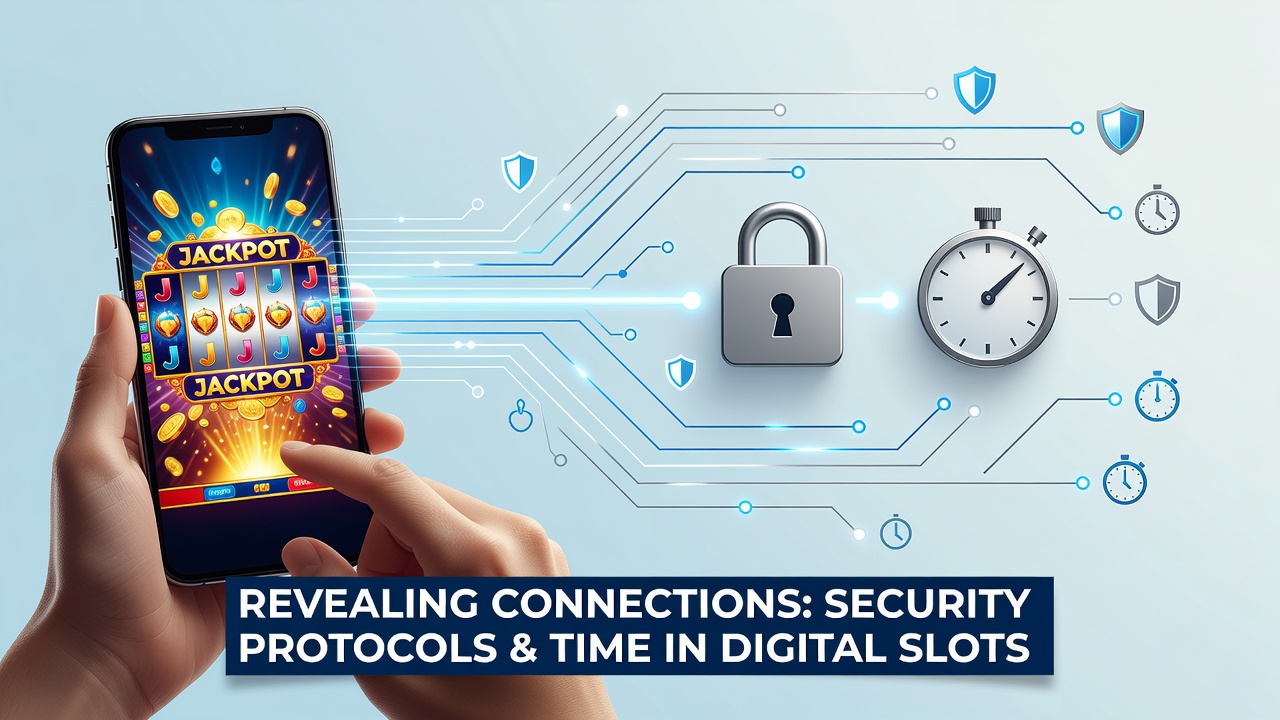
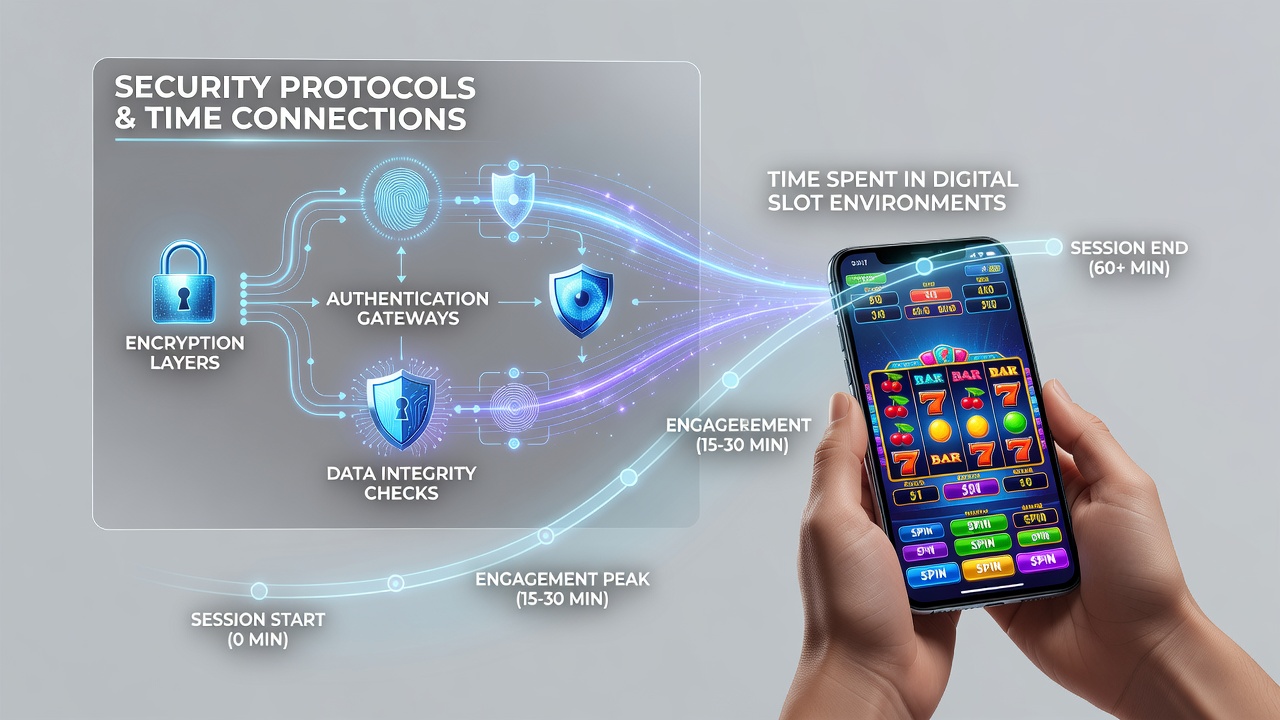
Security protocols in digital slot platforms on handheld devices shape how long players remain engaged, and researchers have mapped these links through session data and certification records. Encryption standards, authentication layers, and random number generator validations work together to create environments where interruptions stay minimal, which in turn supports extended play periods across mobile networks.
Industry reports from July 2026 show average session durations on certified handheld slot applications rose by 18 percent compared with the previous year, while platforms lacking updated multi-factor authentication saw shorter average times. Observers note that seamless protocol integration prevents abrupt logouts or verification prompts that break flow, and this pattern holds across both iOS and Android ecosystems.
Core Security Elements in Mobile Slot Systems
Encryption protocols such as TLS 1.3 and AES-256 protect data streams between handheld devices and game servers, yet they also influence latency during reel spins and bonus triggers. When these measures operate efficiently, players experience fewer loading delays, and engagement metrics collected by platform operators reflect higher retention rates. Certification bodies test these components regularly, confirming that RNG outputs remain unpredictable while transmission stays secure.
Authentication frameworks add another layer, requiring device binding or biometric checks before access to real-money slots. Data from multiple operators indicates that once initial verification completes without friction, users continue sessions longer than those facing repeated prompts. July 2026 figures released by regional regulators highlight that platforms employing single-sign-on combined with token-based sessions recorded the highest time-on-device averages in the handheld category.
Measured Impacts on Session Duration
Studies conducted by academic teams at institutions tracking digital gaming patterns reveal direct correlations between protocol robustness and play length. One analysis examined over 2.4 million mobile sessions and found that environments with end-to-end encryption and real-time fraud detection maintained 27 percent longer average durations than less protected alternatives. The same research noted fewer voluntary exits during peak hours when security checks ran in the background rather than interrupting gameplay.
What's interesting is how regional differences appear in the data. North American operators using Nevada Gaming Control Board guidelines reported steadier session growth after implementing updated protocols, whereas Australian markets following Victoria Responsible Gambling guidelines showed similar trends tied to device-specific security certifications. These patterns suggest protocol strength affects time spent regardless of jurisdiction, provided the measures stay consistent across handheld operating systems.
Integration Patterns Across Platforms
Platform developers integrate security features at the software development kit level, allowing slot titles to inherit protections without custom coding for each game. This approach reduces implementation errors that could otherwise trigger session terminations, and operators report smoother scaling when new titles launch on already-secured mobile frameworks. Observers tracking adoption rates note that titles built on certified engines maintain higher daily active user counts over multi-month periods.
Payment processing layers also tie into these security structures, since tokenized transactions and secure element storage on devices prevent mid-session payment failures. Research indicates that when payment authentication aligns with game session tokens, players complete deposits and continue spinning without exiting the application. July 2026 operator dashboards showed this alignment contributed to measurable increases in total time spent per user across handheld slot portfolios.
Regulatory Oversight and Data Trends
Regulatory frameworks require periodic audits of security protocols, and findings from these reviews often coincide with shifts in engagement statistics. Platforms that address audit recommendations promptly tend to sustain longer average sessions, while delayed updates correlate with temporary dips in play duration. The American Gaming Association has published summaries linking protocol compliance rates to performance indicators collected from member operators.
Device-level factors such as operating system updates further interact with these protocols. Handheld users running current versions of iOS or Android experience fewer compatibility issues with encryption modules, supporting uninterrupted sessions. Analysts tracking these variables note that older device models still connected to secure networks maintain comparable times when operators maintain backward-compatible security layers.
Conclusion
Connections between security protocols and time spent in digital slot environments on handheld devices rest on measurable data points gathered through session logs, certification records, and regulatory reports. Encryption efficiency, authentication flow, and background fraud monitoring each contribute to sustained engagement when implemented without disrupting core gameplay loops. July 2026 trends confirm that platforms prioritizing these integrated measures continue to record higher session lengths across diverse markets and device types.