Tracing how verification protocols guide feature prioritization in multi-device entertainment networks
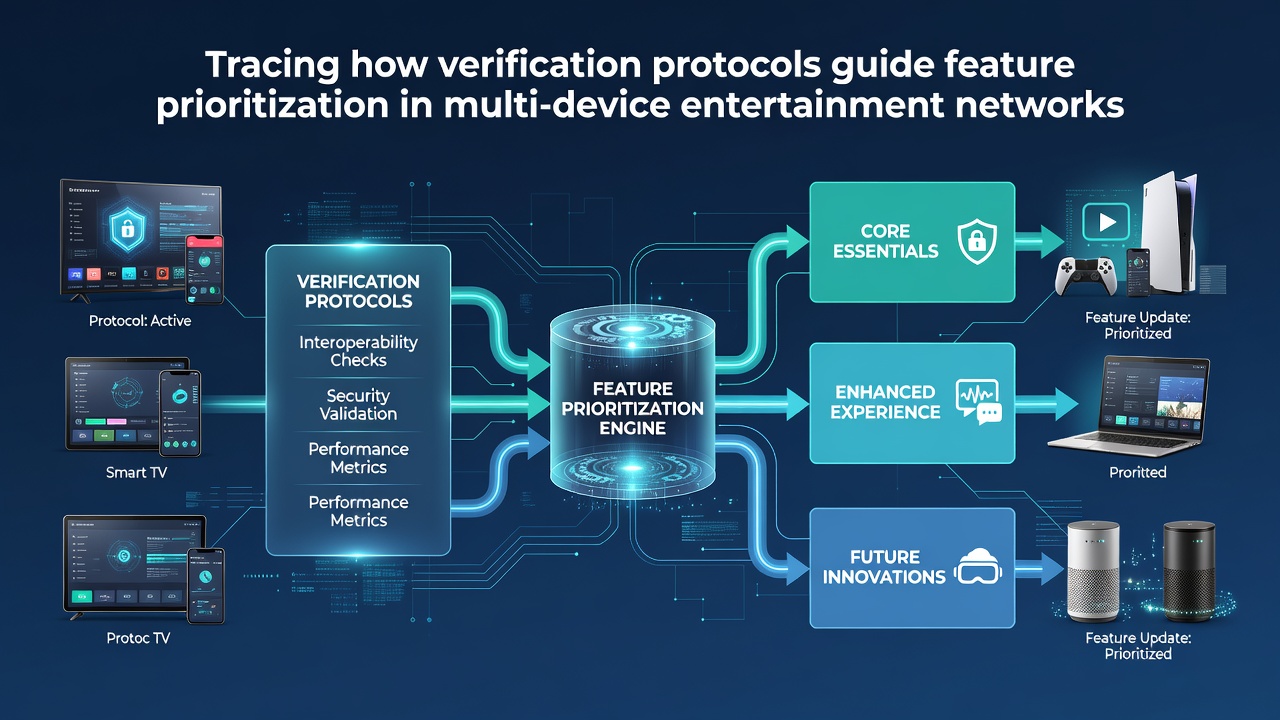
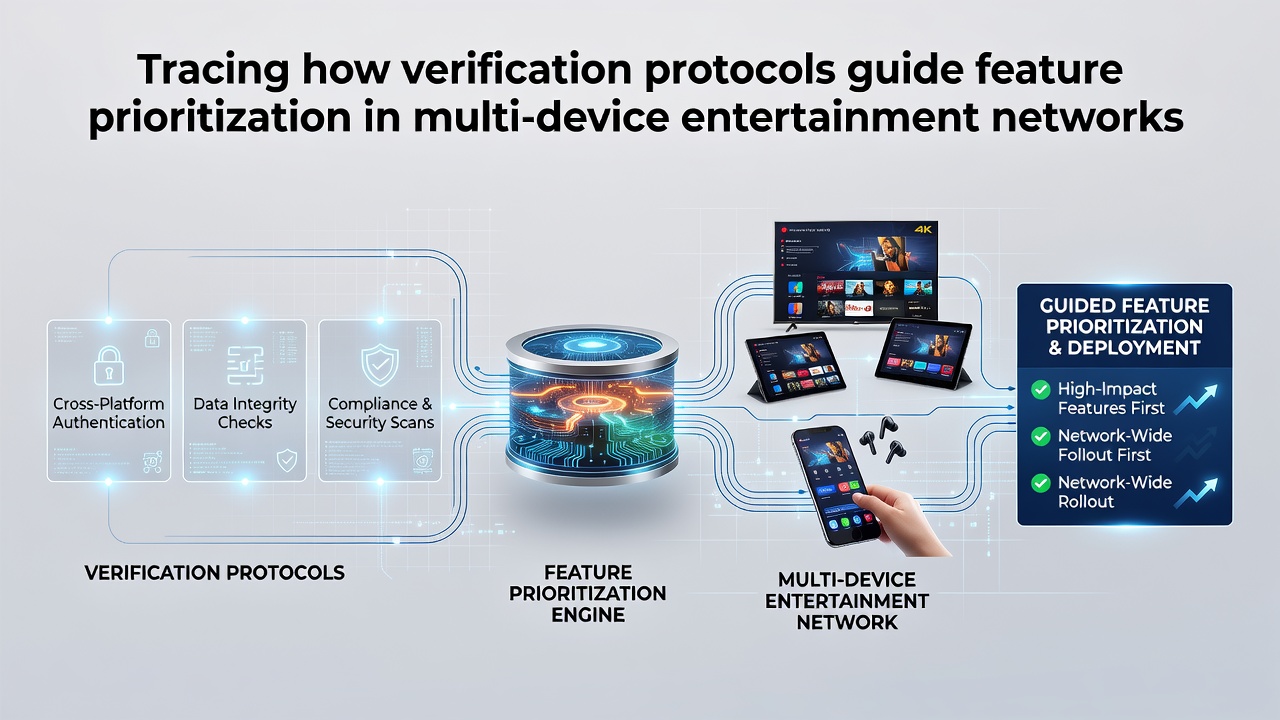
Verification protocols in multi-device entertainment networks establish structured checkpoints that determine which features receive development resources first, and these protocols operate through layered security assessments, compatibility validations, and compliance reviews that run continuously across platforms. Data from industry monitoring indicates that teams allocate priority based on how quickly a feature passes initial verification stages rather than on standalone user demand metrics alone, and this approach creates a feedback loop where robust protocol alignment accelerates rollout timelines while misaligned proposals face extended review cycles.
Core Components of Verification Protocols
Verification protocols consist of automated scanning tools combined with manual audit procedures that examine encryption standards, data transmission integrity, and cross-platform synchronization accuracy, and observers note that these components interact sequentially so that early failures in one area trigger reevaluation of related features. Research conducted by technology integration specialists shows that protocols often incorporate device-specific benchmarks such as latency thresholds on mobile networks versus desktop environments, which forces prioritization decisions to favor elements that demonstrate consistent performance across varying connection qualities. As of June 2026, reports from regional gaming oversight bodies highlight increased emphasis on real-time verification during live content delivery, which has shifted resource allocation toward features supporting seamless device handoffs.
Influence on Feature Development Cycles
Feature prioritization follows a hierarchy where verification readiness scores directly influence scheduling, and development teams use these scores to rank items in backlogs according to estimated compliance effort rather than isolated innovation value. Experts tracking digital entertainment ecosystems have documented cases where a cross-device notification system advanced ahead of a more complex analytics dashboard because the former cleared biometric authentication checks within two testing iterations while the latter required additional encryption layer adjustments. This pattern emerges repeatedly because protocols demand evidence of end-to-end traceability, which rewards modular features that integrate cleanly with existing verification frameworks and delays those requiring extensive architectural changes.
Device Compatibility and Security Alignment
Multi-device networks rely on protocols that test for consistent behavior across operating systems and hardware generations, and this requirement guides teams to elevate features that support unified authentication methods over those tied to single-platform capabilities. Studies from academic research groups specializing in distributed systems reveal that verification outcomes correlate strongly with reduced incident reports post-launch, which in turn reinforces the practice of front-loading protocol-compliant elements in quarterly roadmaps. Those managing large-scale entertainment platforms frequently observe that features involving third-party integrations undergo heightened scrutiny, prompting early-stage prioritization adjustments to incorporate vendor-specific compliance documentation from the outset.
Case Examples from Operational Networks
One documented implementation involved an entertainment service that deferred a social sharing module until verification protocols confirmed safe data partitioning across user devices, whereas a basic session persistence feature moved forward immediately after passing initial token validation tests. Industry association records indicate similar sequences appear across multiple providers because protocol documentation serves as the primary decision matrix during sprint planning meetings, and teams reference these records to justify sequencing rather than relying solely on market trend data. According to findings published by the Nevada Gaming Control Board, verification alignment has become a measurable factor in project timelines, with compliant features showing average deployment accelerations of several weeks compared to those needing protocol revisions.
Broader Ecosystem Effects
Verification protocols extend their reach into vendor selection processes, where entertainment networks evaluate third-party tools based on how readily they satisfy established security and compatibility criteria, and this dynamic encourages suppliers to pre-align offerings with common protocol requirements. Data compiled by international gaming research entities shows that networks incorporating protocol feedback loops at the concept stage report fewer post-deployment adjustments, which sustains momentum for subsequent feature batches. Observers tracking these patterns note that the emphasis on verification creates a de facto standardization across competing platforms, as shared compliance benchmarks reduce divergence in core functionalities even as visual or thematic elements retain differentiation.
Conclusion
Verification protocols function as gatekeepers that systematically shape feature prioritization within multi-device entertainment networks by embedding objective compliance criteria into every stage of planning and execution. Evidence from operational data and regulatory summaries demonstrates that this guidance produces measurable effects on development velocity and cross-platform reliability, and continued monitoring through June 2026 and beyond will likely reveal further refinements as device ecosystems expand. The process remains grounded in documented checkpoints rather than discretionary preferences, ensuring that prioritization reflects verifiable readiness across security, compatibility, and integration dimensions.