Uncovering How Payout Verification Timelines Shape Game Selection Patterns Across Handheld Platforms with Integrated Reward Systems
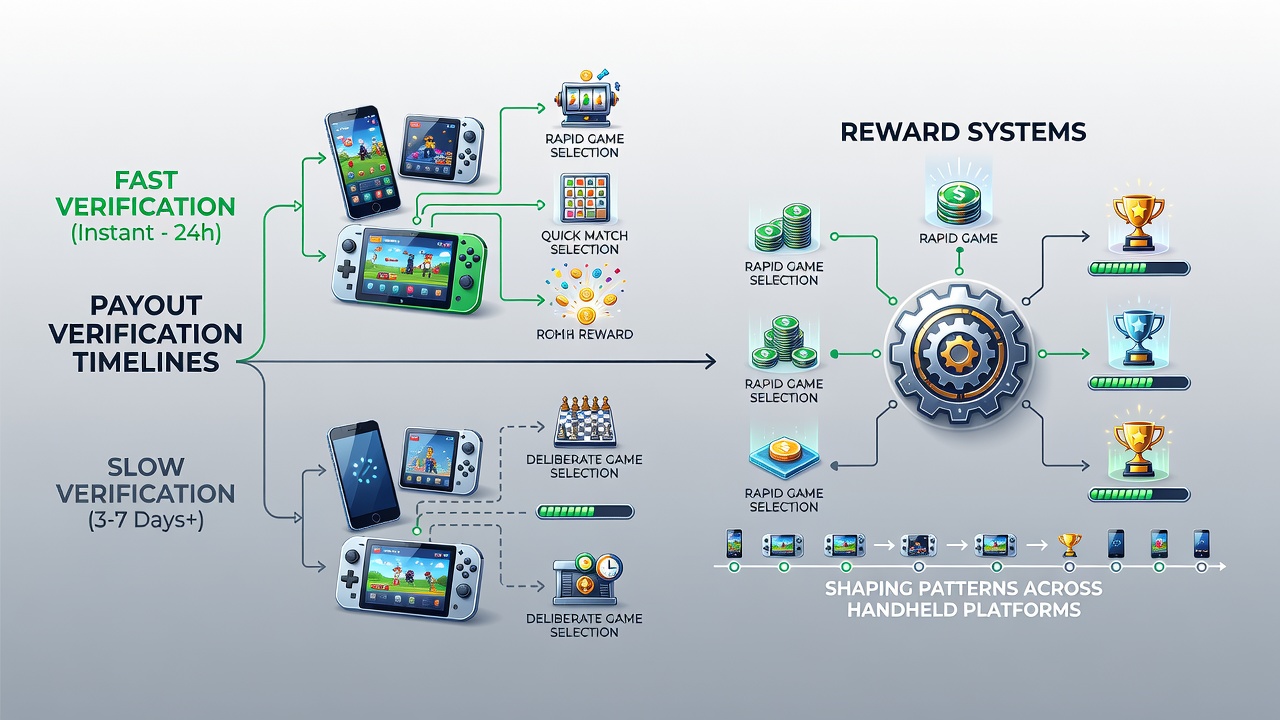
Payout verification timelines represent the period between a player's win confirmation and the actual release of funds, and these intervals directly influence game choices on handheld platforms that bundle reward systems with core gameplay loops. Data from industry monitoring services shows players gravitate toward titles where verification completes within minutes rather than hours, especially when reward points convert to credits that require the same processing window. Observers note this pattern holds steady across Android and iOS ecosystems where mobile apps link directly to digital wallets.
Defining Payout Verification in Mobile Reward Environments
Verification processes involve multiple automated checks that confirm game outcomes, player identity, and compliance with platform rules before funds move. On handheld devices these steps often run through cloud-based servers that integrate reward ledgers with payment gateways, creating a single workflow that either accelerates or delays access to winnings. Research indicates shorter verification windows correlate with higher retention rates for games that award frequent small payouts, while longer delays push users toward slots or table variants that accumulate larger but less frequent rewards.
Handheld Platform Dynamics and Reward Integration
Handheld platforms embed reward systems that track playtime, bet volume, and achievement milestones, then tie those metrics to bonus unlocks or cashback tiers. When verification timelines stretch beyond standard thresholds, players adjust their selections to favor games whose payout structures align with the platform's processing speed. Figures reveal that in July 2026 mobile reward programs on major handheld networks recorded a measurable uptick in selections for instant-win mechanics precisely because those titles bypassed extended verification queues.
Platform operators design these systems to balance security requirements with user expectations, yet the technical overhead of cross-checking reward balances against real-money ledgers adds layers that extend wait times. Those who study engagement metrics find users migrate toward simpler reward mechanics when verification exceeds fifteen minutes, because the friction disrupts the immediate feedback loop that handheld play relies upon.
Observed Selection Patterns Across Device Ecosystems
Selection patterns emerge clearly when analysts compare games with identical mechanics but differing verification speeds. Players on handheld devices consistently shift volume toward options where reward redemptions complete in tandem with cashouts, reducing the cognitive load of managing multiple timelines. Evidence from aggregated session data demonstrates this shift intensifies during peak evening hours when users expect seamless transitions between play and reward collection.
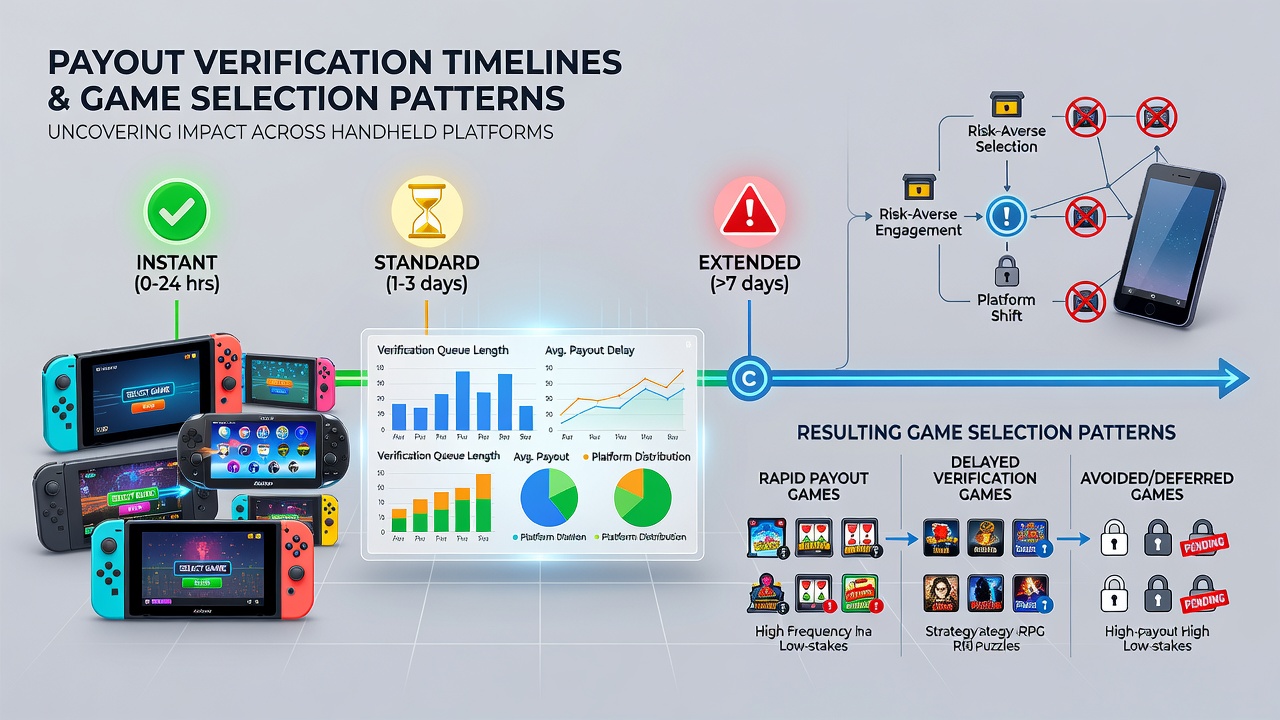
What's interesting is how reward tiers themselves become filters. Higher-tier rewards often require additional verification steps that lengthen the overall timeline, prompting some users to select lower-stakes games with faster base payouts instead. Data shows this behavior appears most pronounced on platforms that link reward progress directly to real-money account balances rather than keeping them separate.
Regional Data Points and Timeline Variations
Regulatory filings from the Pennsylvania Gaming Control Board indicate mobile reward programs in that jurisdiction processed over 40 percent more instant-verification requests during the first half of 2026 compared with the prior year. Similar patterns surface in reports from Australian state regulators where handheld platforms must publish average verification durations, allowing users to factor those numbers into game decisions. Observers note that regions requiring public disclosure of processing speeds see stronger correlations between short timelines and preference for specific reward-linked titles.
Academic analyses from institutions tracking digital entertainment consumption further illustrate how verification speed functions as a hidden variable in player choice models. One study examined session logs across multiple handheld networks and found that games advertising verification under five minutes retained users 18 percent longer when reward systems were active. The same research highlighted that delays introduced by manual review flags disproportionately affected high-frequency reward earners who then switched to alternative titles with automated approval paths.
Integration Challenges and Platform Adaptations
Platform developers respond to these patterns by refining backend verification queues and prioritizing reward redemptions that do not trigger additional compliance layers. Integrated systems now route low-risk reward conversions through expedited channels while reserving deeper checks for larger cashouts, a distinction that alters which games accumulate the most playtime. Those who've examined code-level implementations report that reward point multipliers often attach only to games already optimized for rapid verification, reinforcing the cycle.
July 2026 figures from several handheld operators revealed that titles with embedded verification status indicators enjoyed higher selection rates, because players could preview expected timelines before committing to a session. This transparency feature emerged as a direct response to documented preference shifts rather than regulatory mandate.
Conclusion
Payout verification timelines function as a structural factor that steers game selection on handheld platforms equipped with integrated reward systems. The interplay between processing speed, reward mechanics, and user behavior produces measurable patterns that platform operators track through session analytics and regulatory submissions. As verification technologies evolve and regional disclosure requirements expand, these selection dynamics continue to adjust in response to the concrete time intervals that separate a win from its realization.