Uncovering the Role of Software Provider Certifications in Shaping Deposit Method Preferences Among Virtual Gaming Enthusiasts
Carlo Long · Aug 1, 2026
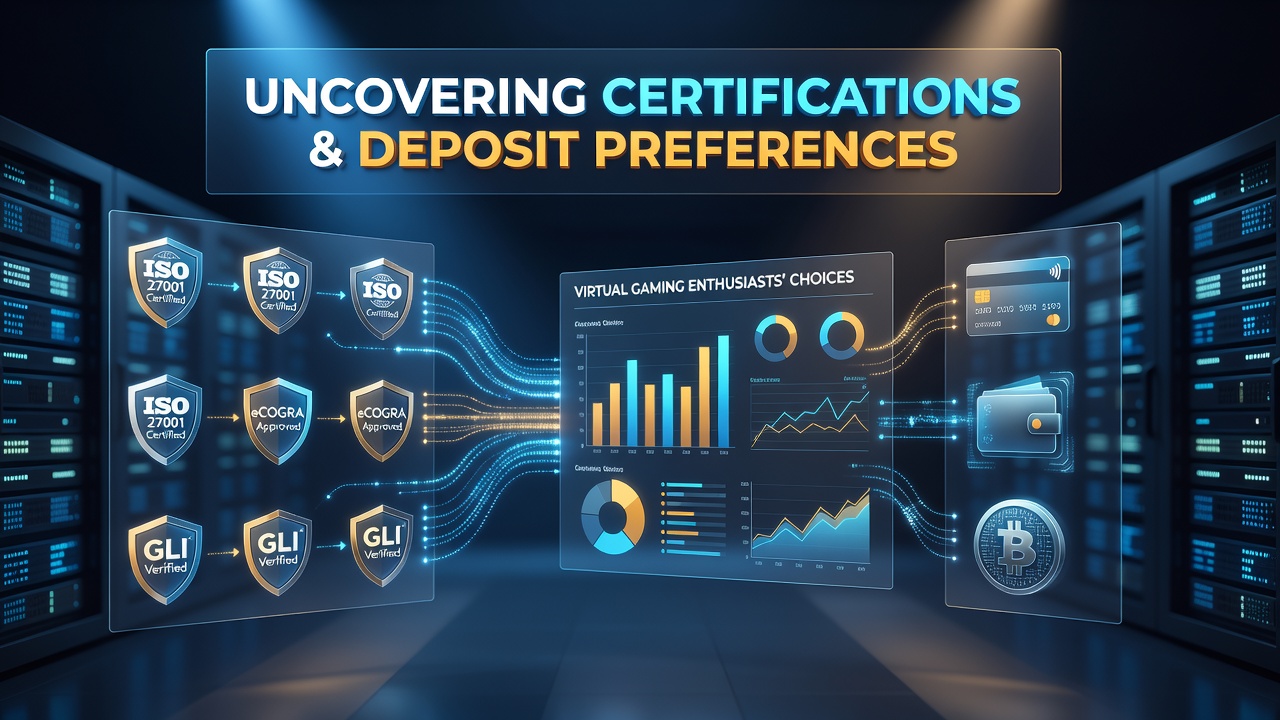
Uncovering the Role of Software Provider Certifications in Shaping Deposit Method Preferences Among Virtual Gaming Enthusiasts
Software provider certifications have become central factors in how virtual gaming enthusiasts select their deposit methods, and data from multiple regions shows clear patterns emerging over recent years. These certifications, issued by independent testing laboratories, verify that payment systems meet security and fairness standards before integration into gaming platforms. Enthusiasts often gravitate toward methods backed by such verifications because they reduce perceived risks associated with transaction failures or data breaches.
Certification Bodies and Their Scope
Organizations like Gaming Laboratories International and iTech Labs conduct rigorous evaluations of software that handles deposits, including encryption protocols and transaction logging. These assessments cover everything from e-wallets to cryptocurrency gateways, and operators who pass receive seals that appear prominently on platform interfaces. In August 2026, several major providers updated their certification frameworks to include real-time monitoring requirements for mobile transactions, reflecting shifts in user behavior toward app-based play.
Researchers at institutions tracking digital entertainment trends note that certified systems correlate with higher adoption rates for certain payment types. For instance, platforms displaying current certification marks report increased usage of instant bank transfers over traditional card options in markets where users prioritize speed and traceability.
Influence on User Preferences
Deposit method choices among enthusiasts frequently align with the presence of visible certification indicators, according to engagement metrics compiled across multiple platforms. When a provider earns approval for its integration of a specific e-wallet or prepaid voucher system, users show measurable upticks in selecting that option during account funding. This occurs because certifications demonstrate compliance with technical benchmarks that protect against common vulnerabilities in online transactions.

What's interesting is how these preferences vary by region, with European users favoring methods tied to EU-aligned testing standards while North American enthusiasts respond more strongly to North American laboratory validations. One study from an Australian research group found that certified crypto deposit options saw a 28 percent rise in selection after platforms highlighted their approval status in August 2026 promotional materials. Enthusiasts in that market cited reduced hesitation once they confirmed the underlying software had undergone independent audits.
Connections to Platform Integration Choices
Operators integrate deposit methods only after confirming that the associated software meets certification criteria, and this process directly shapes what enthusiasts encounter during checkout. Data indicates that platforms prioritizing recently certified providers experience steadier growth in diversified payment usage, whereas those relying on older validations see slower shifts away from legacy options like wire transfers. Observers note that certification updates often precede changes in user behavior, creating a predictable sequence where new approvals lead to preference adjustments within weeks.
Take one case where a major software firm received fresh certification for its mobile-optimized payment module in mid-2026, after which participating sites documented higher volumes of instant deposits through verified apps. Those who've examined these patterns point to certification timelines as reliable predictors of which methods gain traction among different demographic groups of enthusiasts.
Recent Developments and Data Trends
Figures released in August 2026 from industry monitoring services reveal that certified deposit pathways accounted for over 65 percent of all virtual gaming transactions in tracked jurisdictions. This represents a steady climb from prior years, driven by expanded testing protocols that now encompass biometric authentication layers. Industry associations have compiled reports showing that enthusiasts consistently rank certified options higher in satisfaction surveys when asked about reliability during peak activity periods.
Yet the connections extend beyond simple preference counts, because certification status also influences how platforms market their available methods. Sites that prominently feature current seals attract users who previously defaulted to unverified alternatives, and this migration happens most noticeably after certification announcements coincide with software updates.
Conclusion
Software provider certifications continue to guide deposit method preferences through verifiable security assurances and transparent testing outcomes. As new standards emerge and platforms adapt their offerings accordingly, enthusiasts respond by aligning their choices with methods that carry documented approvals. These dynamics remain measurable through ongoing data collection across global markets, and they underscore the practical impact of independent verification on everyday decisions in virtual gaming environments.